

Paolo Orsi Regional Archaeological Museum
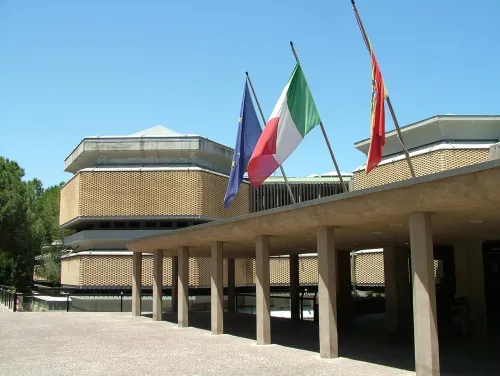
You start among the finds before you see the places they came from. The Paolo Orsi Regional Archaeological Museum counts among the principal archaeological museums of Europe. It sits in the garden of Villa Landolina, in a modern building by the architect Franco Minissi that opened in January 1988, and it holds prehistoric, Greek and Roman artefacts from excavations in Syracuse and across Sicily.
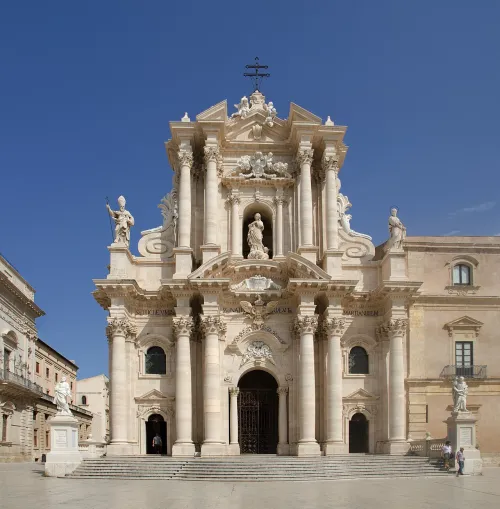
The collection is far older than its building. In 1780 Bishop Alagona opened a seminary museum, which became the city museum near the archbishop's house in 1808. A royal decree of 1878 created a national archaeological museum, inaugurated in 1886 on the cathedral square on Ortigia. Its defining figure was Paolo Orsi, who took charge in 1895 and stayed until 1934; his excavations filled the rooms so quickly that a new home became unavoidable. The present building opened in stages: first one floor and a basement with an auditorium, in 2006 an upper floor devoted to the classical period, and in 2014 a final expansion for the Sarcophagus of Adelphia and other finds from the city's catacombs.
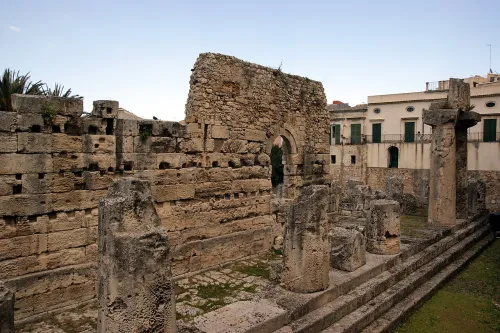
Begin in the central area, which tells the story of the museum and previews what each of the four sectors holds. Sector A reaches back furthest, with rocks and fossils of the animals that lived in Sicily in the Quaternary, introduced by a section on the geology of the Mediterranean and the Iblean area. If ancient history is why you came to Syracuse, the museum deserves a proper visit; it charges entry, and the context it gives makes the park and the temples on Ortigia much easier to read.
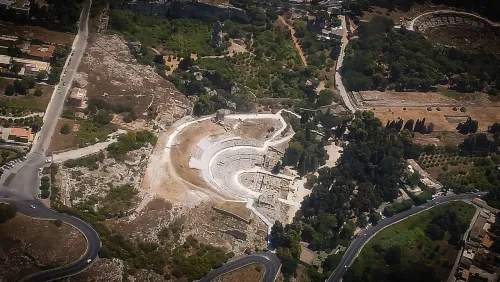
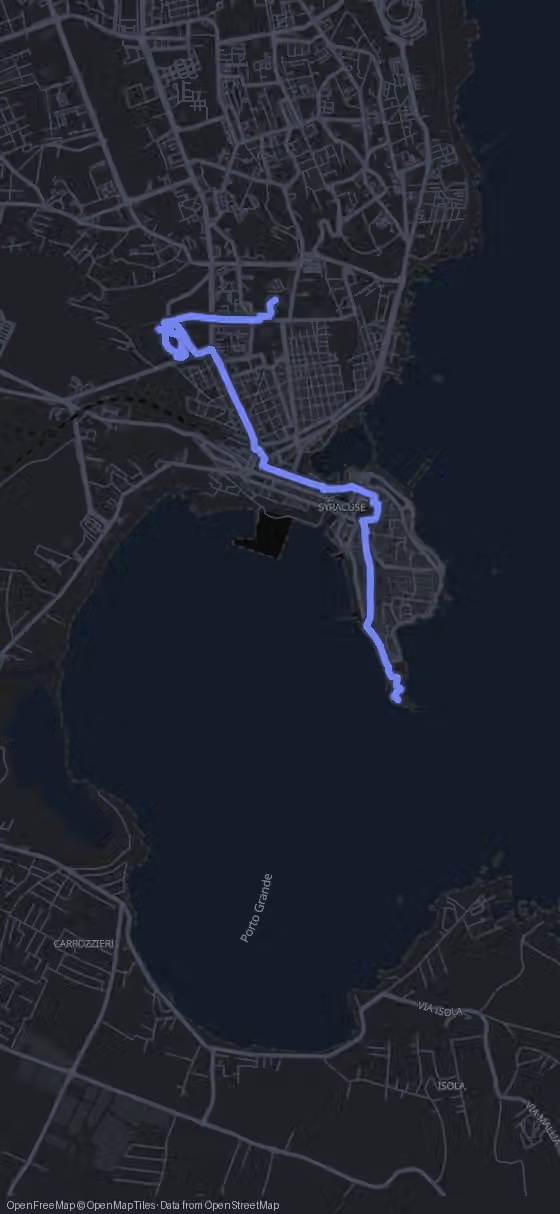
From the museum it is 1450 m, about 20 minutes on foot, to the Neapolis Archaeological Park, where many of these stories are still in the ground.