

Citadelle Saint-Elme
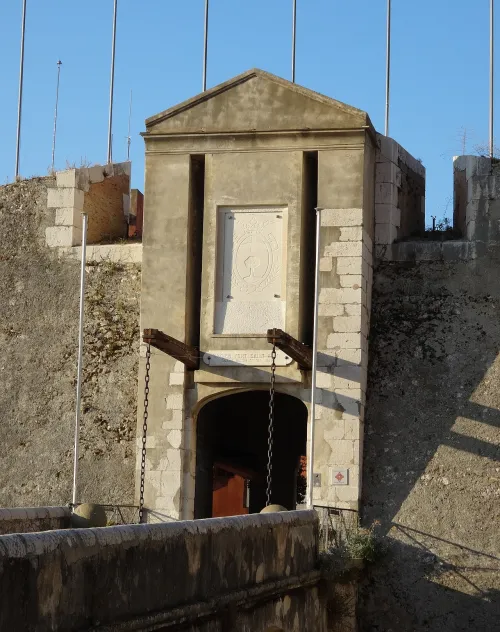
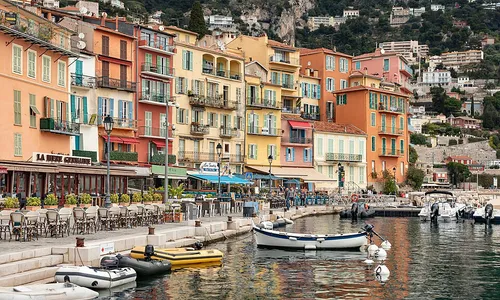
You start inside one of the earliest bastioned fortifications in Europe. The Citadelle Saint-Elme, to give the citadel its real name, was built in the 16th century, and it was never meant to stand alone: together with the Fort du mont Alban, the Tour Saint-Hospice on Saint-Jean-Cap-Ferrat and the battery at Beaulieu-sur-Mer, it formed a ring of defenses around the Darse, the royal military port of the States of Savoy. Keep that harbor in mind, because it's where this walk ends.
The story behind the walls is one of fear and ambition. On 10 August 1557 Duke Emmanuel-Philibert, nicknamed "Testa de ferre", the iron head, crushed the army of the French king Henri II at Saint-Quentin and won back his lands: Savoy, Piedmont and the County of Nice. Peace came with the Treaty of Cateau-Cambrésis in 1559, but the duke never forgot the siege of Nice, when Barbarossa, admiral of Suleiman the Magnificent and ally of Francis I, landed and stormed the coast. Villefranche was his window on the sea, and protecting it was an absolute priority.
He wasn't the only one who thought so. In a letter of 23 November 1554, the Genoese admiral Andrea Doria told Emperor Charles V that a fort at Villefranche was needed to hold not only this port but Nice as well, the city that had resisted the French alone and earned the name "Nissa la fedèla", Nice the faithful. The project began under Emmanuel-Philibert's father, Duke Charles II, with the Milanese engineer Gian Maria Olgiati, Charles V's chief architect, and the son carried it on.
Entry is free. The gardens and the exhibitions are open, while the museum collections are under renovation until 2028, so come for the walls, the gardens and the view of the bay rather than a full museum visit. Give it the longest pause of the morning if fortifications interest you.
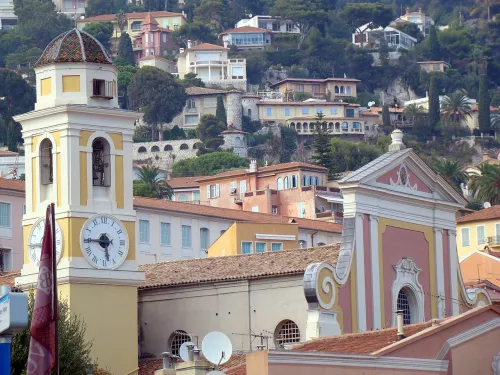
From the gate it's 360 m and about 5 min down into the old town to the parish church.