


Casa del Congreso de Angostura
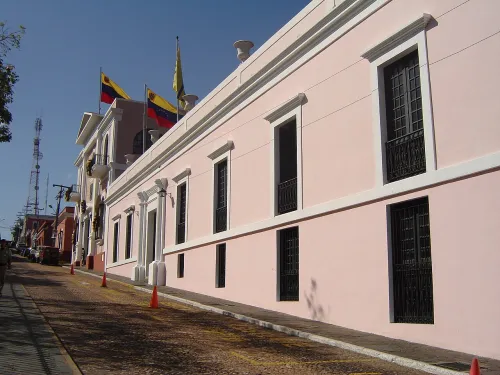
Start on the west side of Plaza Bolívar, at the long colonial building also known as the Palacio de Angostura. The governor of the province of Guayana, Manuel Centurión Guerrero de Torres, had it built between 1766 and 1777 as the seat of a school, the Colegio de Latinidad y Letras. The plot covers 2,150 square metres: half of it is the two-storey building, the rest two terraced gardens enclosed by high walls that merge into the façade, the way colonial builders liked it. Look for the iron cannon in one corner, 1.5 metres long, believed to have been brought here by soldiers from the Fuerte Santa Fe.
The house takes its name from the Congress of Angostura, the constituent assembly at which Simón Bolívar delivered his Angostura Address, his most famous speech: an analysis of the country's political situation and a blueprint for the constitution he hoped for. The building also holds a darker memory. By Bolívar's own account, he watched the execution of General-in-Chief Manuel Piar from one of its balconies. For a time the newspaper Correo del Orinoco was edited here as well.
Its later history is a tug of war. In 1824 Francisco de Paula Santander, vice president of Gran Colombia, ordered a national boys' school to open here, but bureaucracy and a quarrel between the central and provincial governments over who owned the building blocked it. In December 1829 Monsignor Mariano de Talavera y Garcés took possession and taught Latin grammar until 1831, when he was expelled for refusing to swear loyalty to the Constitution of Venezuela. Toward the end of the 19th century the Colegio Federal Guayana moved in.
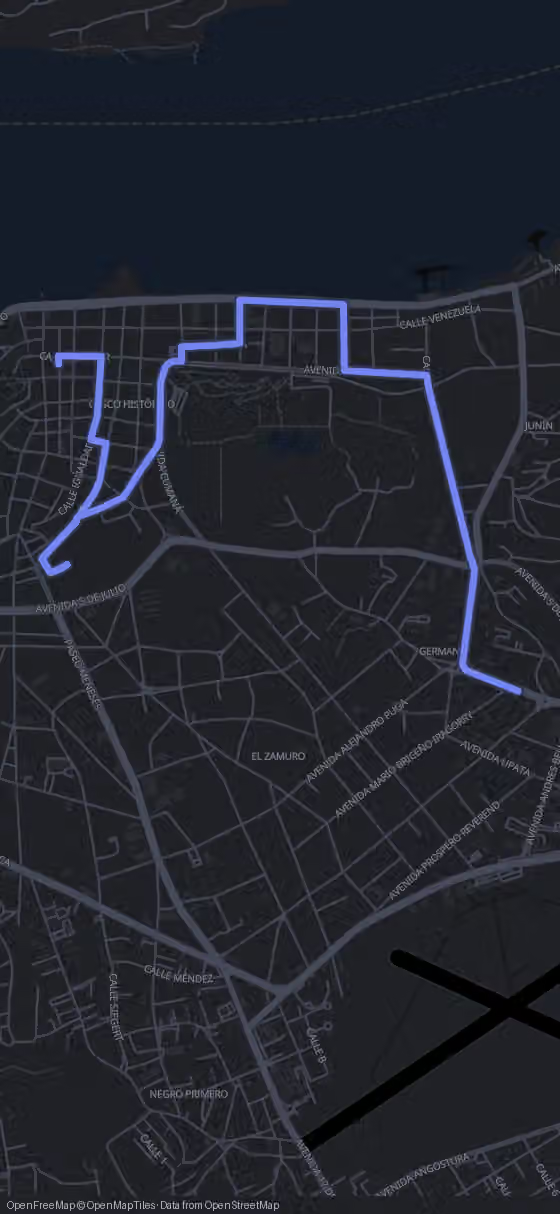
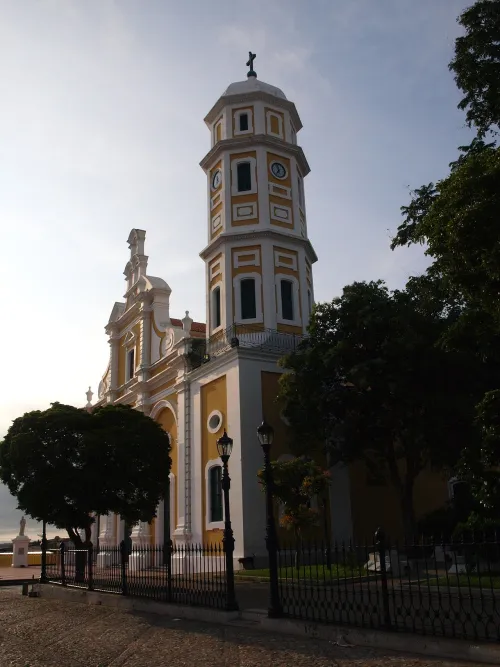
Entry is free, and going in is worth it if Bolívar and the independence years interest you. Then it is 220 m, three minutes, to the cathedral, a church that the same Monsignor Talavera would go on to finish.


).jpg)

