

Plaza Bolívar de Mérida
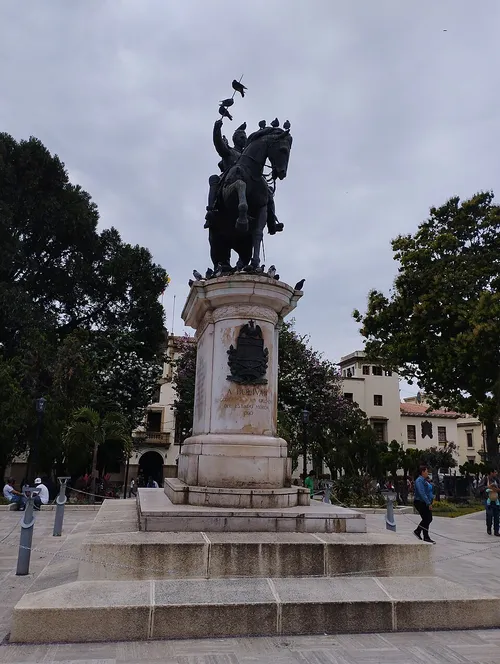
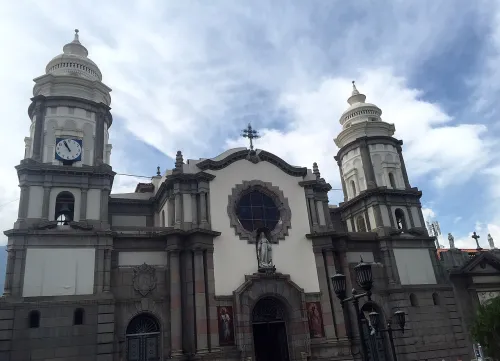
Stand under the royal palms and look at the bronze rider in the middle: this is the old heart of Mérida, open day and night and free. Around you sit the city's institutions: the cathedral, the archbishop's palace, the Government Palace of Mérida State, the Archdiocesan Museum, the Casa de la Cultura Juan Félix Sánchez, the rectorate of the Universidad de Los Andes and the Archaeological Museum, plus cafés, hotels and guesthouses.
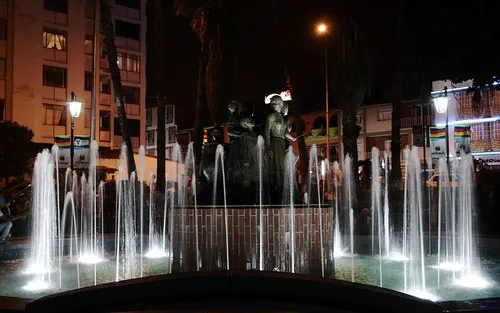
For centuries this was the Plaza Mayor, and from 1559 it was a bare, open square. People met here, food was sold, political and religious ceremonies were held, and now and then there were bullfights. In 1840 the local magistrate Antonio Ignacio Picón had a fountain installed. It supplied water until 1859, when the pipes were dug up and melted into bullets for the Federal War.
That same year, on 20 August 1859, the square was ordered to become Plaza Bolívar. Engineer Pedro Dávalos y Lissón drew the plan, and his original design was sealed in a chest together with documents on the 1810 declaration of independence. The plaza was officially inaugurated on 12 January 1896, took on its garden look in 1902 and 1903, and in 1930 received the chaguaramo palms you see today.
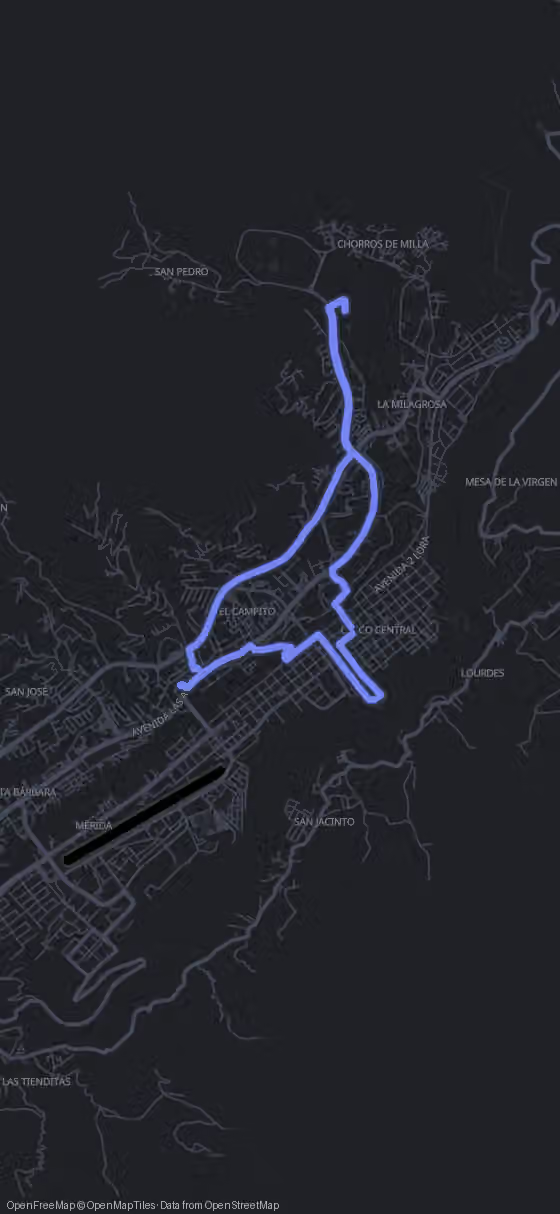
The equestrian statue of Simón Bolívar went up in 1926 or 1930, both dates fall under the dictatorship of Juan Vicente Gómez, and it makes this the oldest plaza in Venezuela with a statue of Bolívar. Give it twenty minutes, then set off on the longest leg of the day: 3570 m, about 61 minutes, out to the botanical garden.