

Catedral de San Pedro y San Pablo
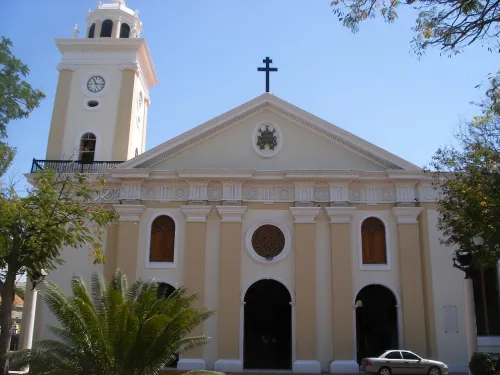
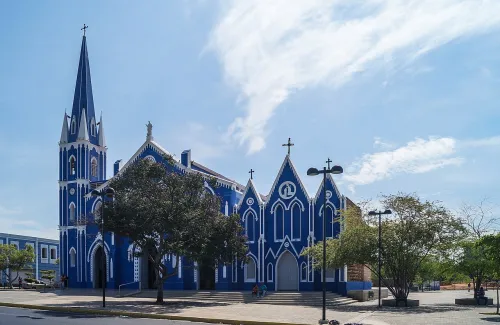
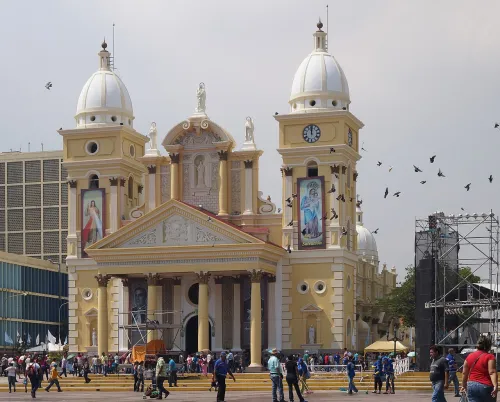
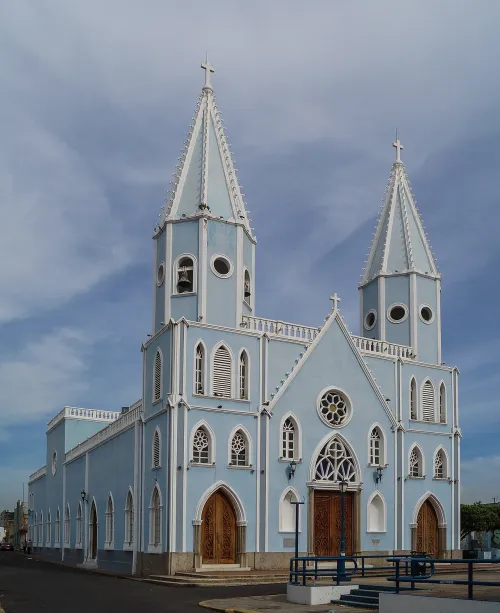
You start at the mother church of Maracaibo, facing Plaza Bolívar. Its full name is long: the Metropolitan Cathedral of the Blessed Apostles Saint Peter and Saint Paul. Locals simply say the Catedral de Maracaibo. It is the seat of the archdiocese, and it became a cathedral by a bull of Pope Leo XIII dated 28 July 1897.
Its beginnings are harder to pin down than the building in front of you suggests. From 1502 the Catholic Monarchs advised that every new city should found a church and a hospital at the same time, and let the town grow around the temple. Maracaibo, though, was founded three times. Under the first founder, the German Adelantado Ambrosio Alfinger, there was a church with its own priest, Juan Rodríguez de Robledo, roughly where the Puente España roundabout lies today. That settlement vanished six years later.
The third founding, by Pedro Maldonado in 1574, is the one that lasted, so its church is likely the distant seed of this cathedral. One tradition holds that bishop Fray Pedro de Agreda used Alfinger's old hermitage in 1579 to establish the main church. Another says that in the early 1600s the land was donated by Don Francisco Hortiz and Doña Inés del Basto, the couple who also built the Hermitage and Hospital of Santa Ana, today's Hospital Central, next to their own house. So the royal advice was half ignored: the hospital never stood beside the church.
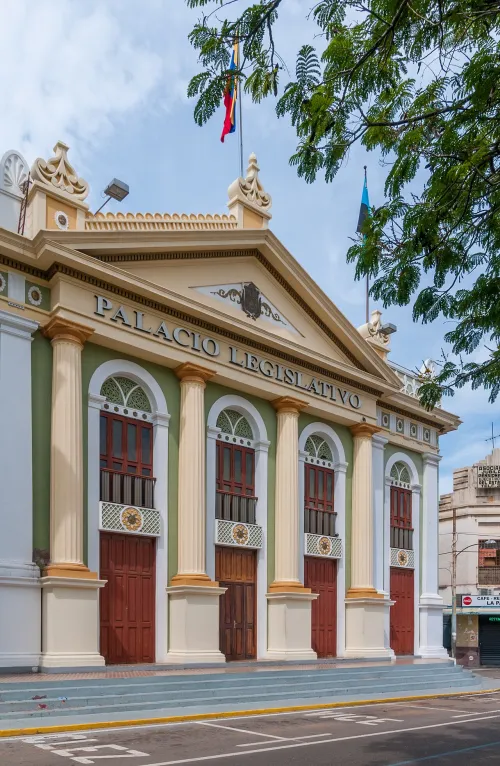
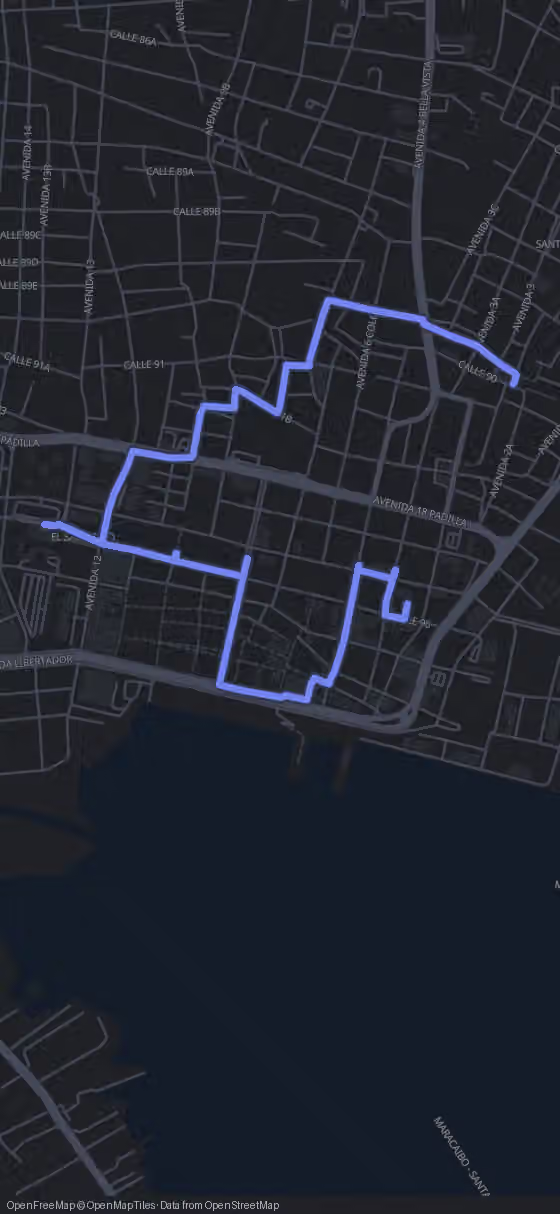
Entry is free. The doors keep church hours, so the cathedral is not always open; a morning visit gives you the best chance to step inside. From here it is 220 m, about 3 minutes, to the seat of Zulia's parliament on the same plaza.