

Klaipeda Castle Museum
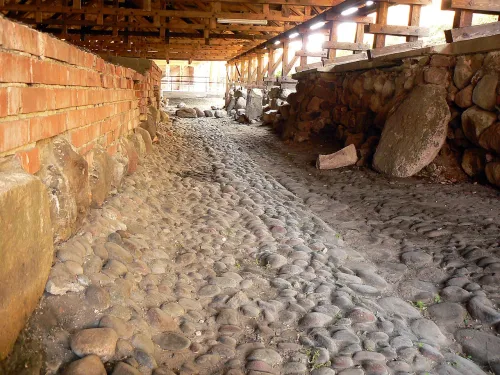
Before Klaipėda had its Lithuanian name, it was Memel, and it took that name from this castle. The Teutonic Knights called their fortress Memelburg, and the city was generally known as Memel until 1923, when Lithuanian forces took it over. What you visit today is an archaeological site: the museum sits underneath one of the old bastions and shows remains of castle walls from the 14th to the 17th century.
The story starts with a contract. In 1252, Eberhard von Sayn, acting for the Grand Master of the Order, agreed with the Curonian bishop to build a fortification between the Nemunas and the Danė. The Knights were fighting the Prussians and wanted to hold what they had won. The first Memelburg was wooden, guarded by a tower and stood in marshy ground, probably on the left bank of the Danė. The swamp seems to have been the problem: already in 1253 a stone castle rose on the right bank.
It became a front-line outpost in the long war against the pagan Lithuanians and their Samogitian allies, and it paid for it. In 1379 Samogitians and Lithuanians destroyed it; in 1393 a great defensive tower went up and was torn down by the Lithuanians the very same year. In the 19th century, with its military value gone, the castle was demolished. Excavations followed in the 20th century, the museum opened in 2002, and a restoration was completed in 2021.
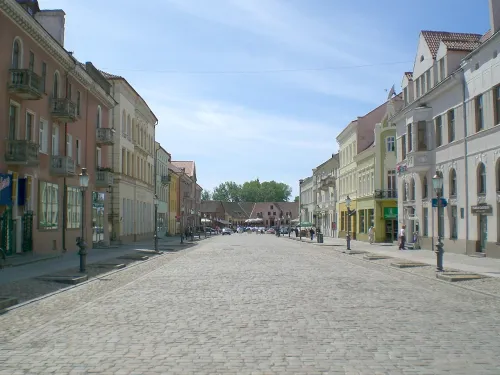
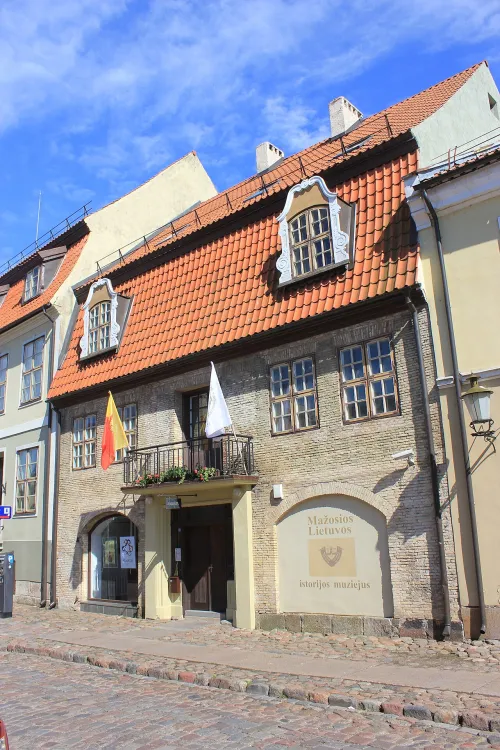
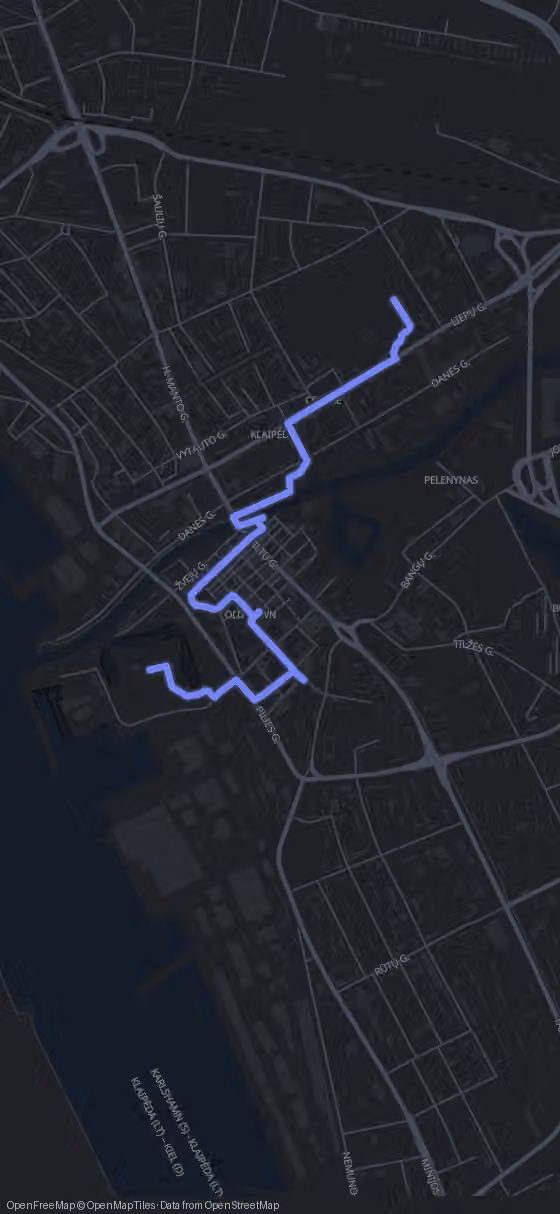
Going inside costs admission, but it is worth it if you like archaeology or medieval history, since this is the only place on the route where the city's origins are physical. If you only want the outline of Klaipėda's past, the History Museum of Lithuania Minor a few minutes on covers it. From the castle, it is 680 m and 9 minutes to the Old Market.