

Casinò di Sanremo
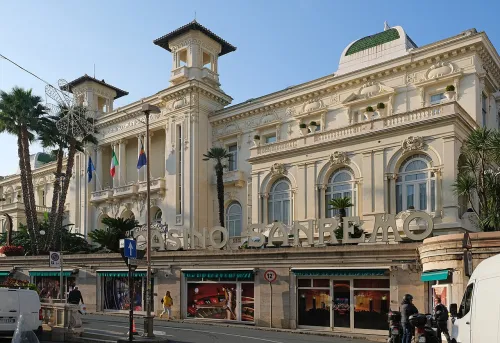
Start where Sanremo's grand era announces itself. The Casinò di Sanremo opened on 14 January 1905, designed by the French architect Eugène Ferret, whose project beat six rivals with a building in the Art Nouveau style then fashionable in France. Ferret did not stop at the drawings: under an agreement signed on 5 November 1903 he also became the first manager of the gaming itself.
It began life as a Kursaal, a place for theatre, concerts and dining, and a meeting point for the foreigners who stayed in Sanremo. From 1913 it even had its own tram connection. Gambling was tolerated here for years before a decree of 1927, turned into law in 1928, gave the city an exceptional licence to run the games and use the money for major public works, partly to hold its own against the Côte d'Azur next door.
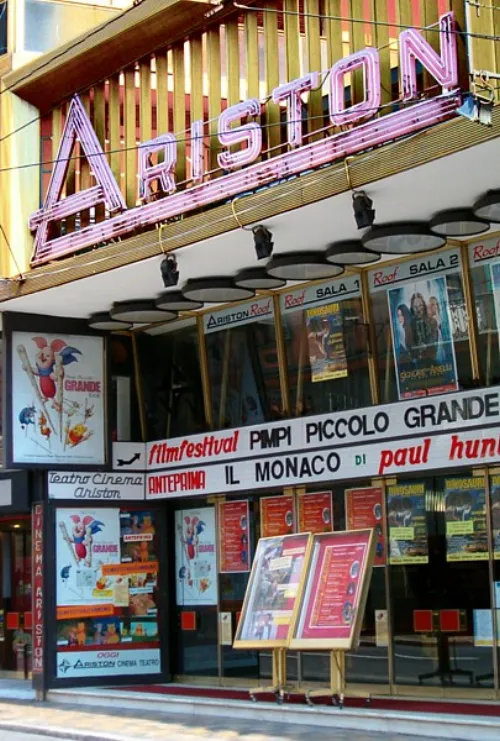
The glamour peaked under manager Luigi De Santis, from 1927 to 1934, a man who knew the games and the world around them inside out. In 1930 the casino hosted a famous chess tournament, won clearly by world champion Alexander Alekhine. Pirandello, Pietro Mascagni and the poet Francesco Pastonchi were regulars; De Santis brought the actress Marta Abba to town with a resident theatre company under Pirandello's artistic direction, and funded Pastonchi's Literary Mondays. The Sanremo song festival also started out in the casino's Salone delle Feste, long before it moved to the Ariston.
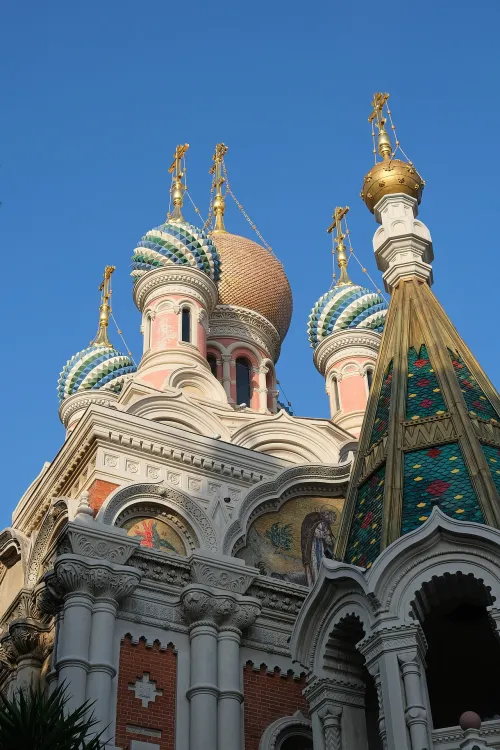
Entry is free, so take a look inside if the interior tempts you. Then it is only 160 m, about 2 minutes, to the Russian church, another monument to the foreign visitors who shaped this town.