

Wieliczka Salt Mine
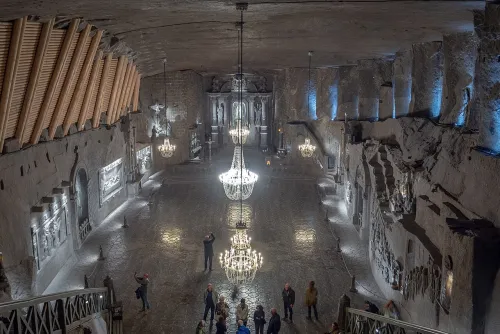
Everything in Wieliczka begins here. The Wieliczka Salt Mine, Kopalnia Soli Wieliczka in Polish, is a rock salt mine on the edge of Kraków, and the salt it was dug for formed in the Miocene, millions of years before anyone lived on this hill. From the 13th century until 1772 it made up the Kraków saltworks together with the mine at Bochnia, and the wealth it produced built the town you are about to walk through.
Few industrial sites carry as many honours. The mine entered Poland's national monument register in 1976, and two years later UNESCO put it on its very first World Heritage List. In 1989 it was added to the list of World Heritage in Danger and taken off again in 1998. Since 1994 it has been an official Monument of History of Poland, and in a 2007 poll by the newspaper Rzeczpospolita it was voted one of the seven wonders of Poland with more votes than any other.
Salt extraction stopped completely on 30 June 1996. Since then the mine has lived from visitors: 2019 remains the record year with 1.9 million, and in September 2023 the 50 millionth visitor counted since the end of the Second World War crossed the threshold. One less romantic footnote: the mine also ran the Barycz borehole mine between 1924 and 1998, and that site is now a municipal landfill.
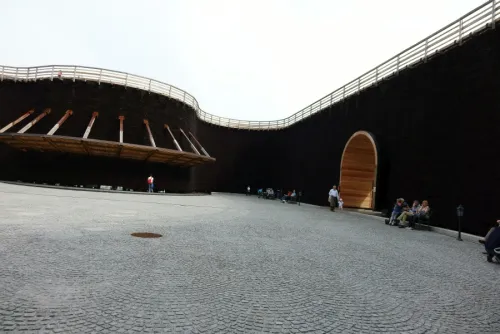
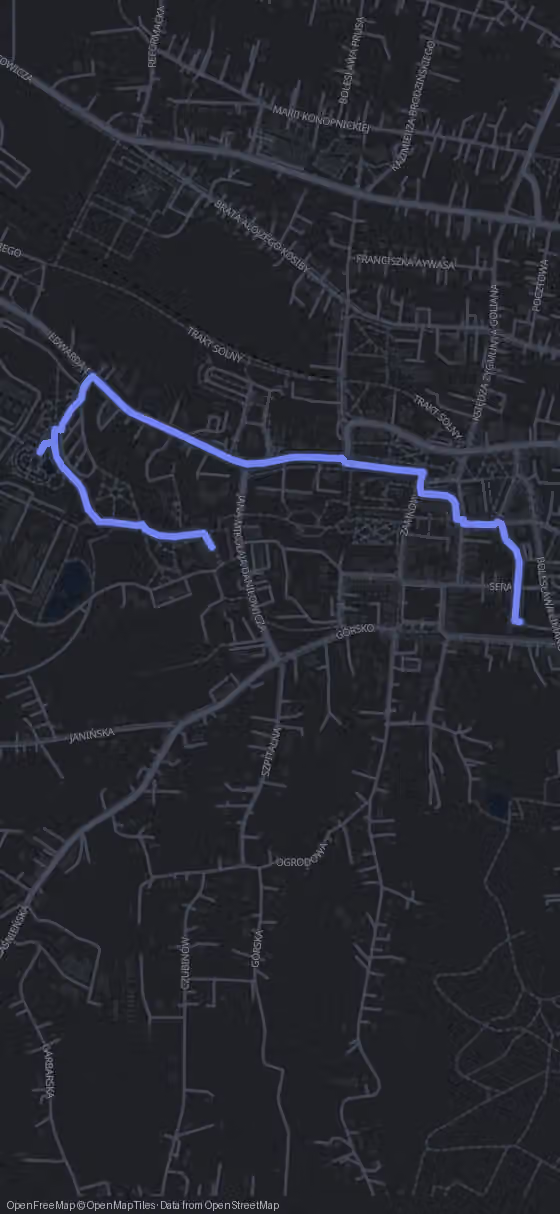
Is it worth going down? If you only pay for one thing in Wieliczka, make it this. You visit underground on a guided tour with paid entry, and it is the reason the rest of the route exists. Once you're back in daylight, walk 350 m, about 4 minutes, to the Brine Graduation Tower, where salt shows its other side.