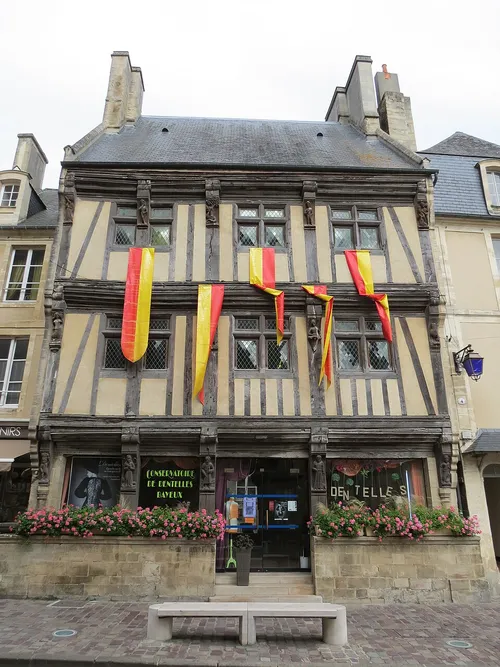
Bayeux Tapestry
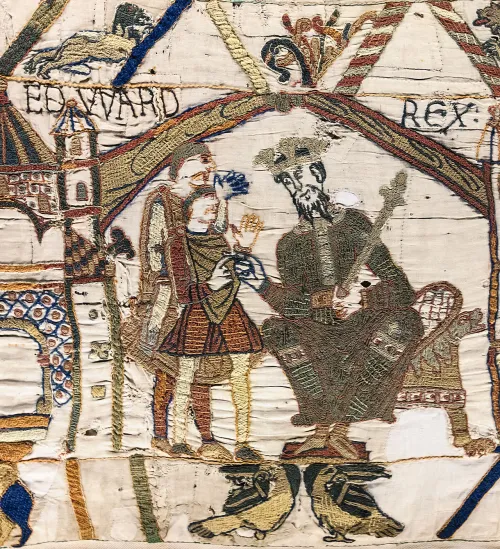
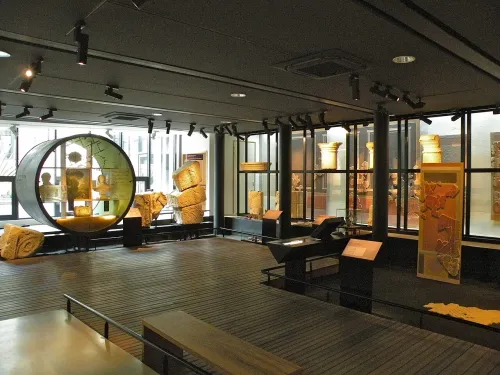
The Bayeux Tapestry is currently closed, so this is a stop to take in from outside and to hear about. And there is a lot to hear. Strictly speaking it is not a tapestry at all but an 11th-century embroidery: wool thread in ten natural shades, worked in four different stitches onto plain linen. It shows 623 people, 994 animals, 438 plants, 37 fortresses and buildings and 41 ships and boats.
The story runs from the last years of Edward the Confessor, King of England, in 1064 to the Battle of Hastings in 1066, where William, Duke of Normandy, fought Harold Godwinson for the English crown. The key moments of the battle are there, yet nearly half of the scenes tell what happened before the invasion even began.
It was most likely commissioned by Bishop Odo of Bayeux, William's half-brother, in the years after the conquest. That shows: the embroidery puts William in a very favourable light, and it has even been read as propaganda to secure his claim to England. Even so, it is a priceless record of 11th-century life, from clothing and castles to ships, and one of the rare surviving examples of secular Romanesque art.
Its names tell its life story. The cathedral canons called it the "Telle du Conquest", the cloth of the conquest; in the 19th century it became Queen Mathilde's tapestry. It was kept in the cathedral treasury until the end of the 18th century, narrowly escaped destruction during the French Revolution, and since 2007 has been on UNESCO's Memory of the World register.
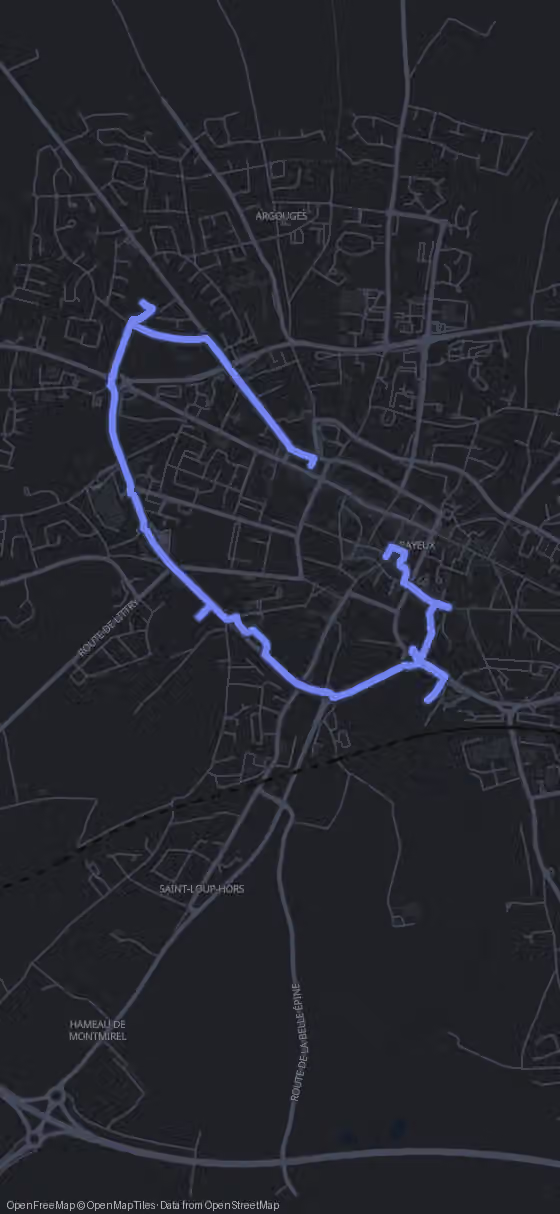
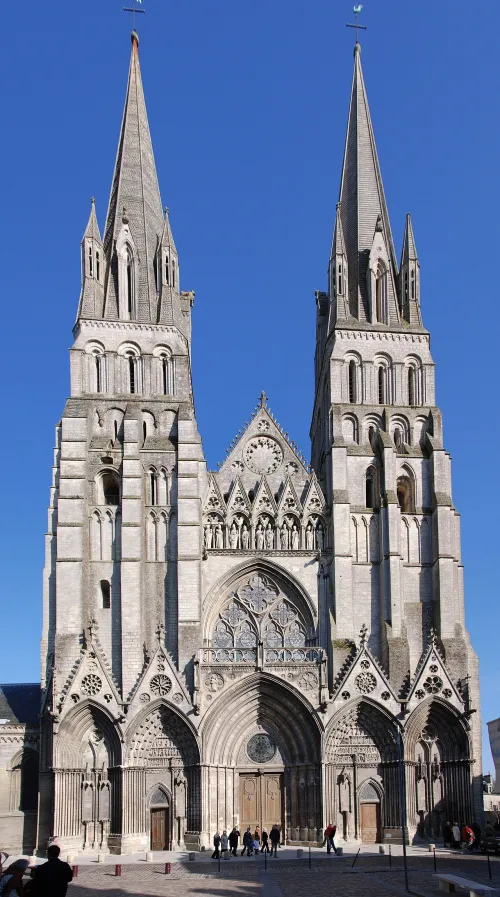
From here it is 300 m and 4 minutes through the Old Town of Bayeux to the building that kept it safe for centuries: Notre-Dame Cathedral.
- Local name
- Tapisserie de Bayeux
- Status
- Currently closed