



Château de Fontainebleau
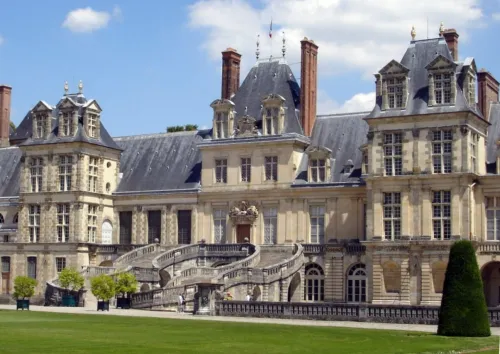
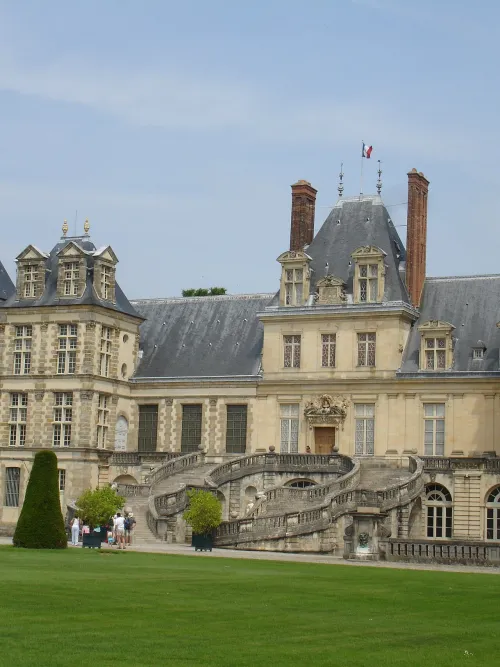
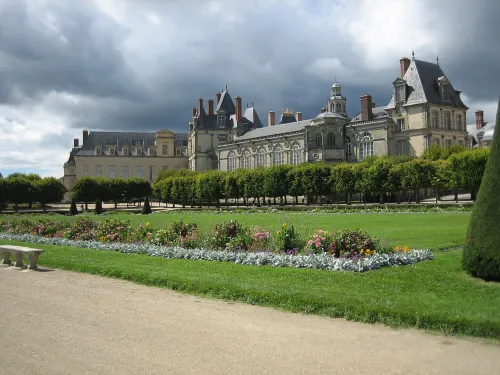
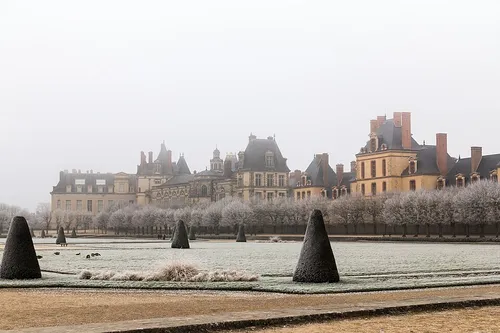
Stand in front of the Château de Fontainebleau and you are looking at eight centuries in one building. The first traces of a castle here go back to the 12th century, the last building work was done in the 19th, and in between the French rulers lived here from Francis I right through to Napoleon III. Each left a mark, so medieval, Renaissance and classical parts sit side by side. Napoleon I summed it up by calling the place the “house of the centuries”.
Francis I made Fontainebleau his favourite residence and set out to build a “new Rome” here. He brought Italian artists north, and the meeting of their art with French tradition shows in both the architecture and the decoration. Out of it grew the School of Fontainebleau, regarded as the richest period of Renaissance art in France, which went on shaping French painting until the middle of the 17th century.
Inside, the château holds one of the most important collections of antique furniture in France, along with paintings, sculptures and objects spanning the 6th to the 19th century. It was listed as a historic monument in 1862 and, together with its park, has been a UNESCO World Heritage site since 1981.
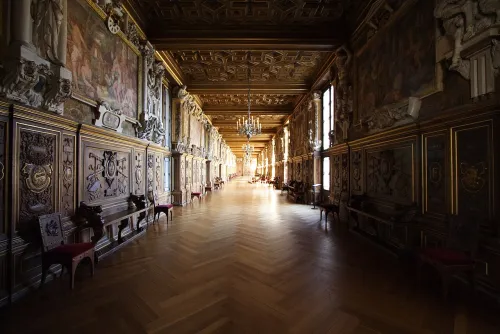
Is it worth going in? If art, interiors or French history interest you at all, yes: the rooms are what turn this route from a pleasant walk into the full story, and the Gallery of Francis I is part of the same building. If you came mainly for fresh air, the rest of the route is free and you can skip the interior without losing the thread.
The gallery is only 320 metres and about four minutes away, inside the château itself.