

Amer Fort
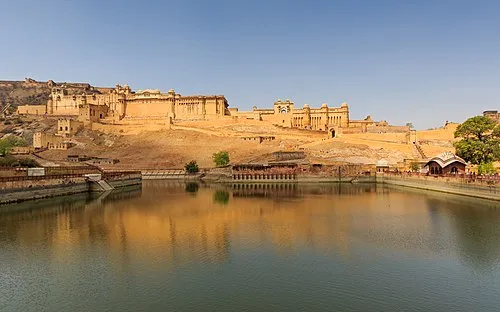
Your day begins in Amer, a small town 11 km from Jaipur, where the fort sits high on a hill and is the main attraction of the whole region. Large ramparts, a series of gates and cobbled paths lead you up, and from the walls you look over Maota Lake, once the main water source for the palace. The buildings are red sandstone and marble, laid out on four levels, each around its own courtyard: Rajput architecture with clear Mughal touches.
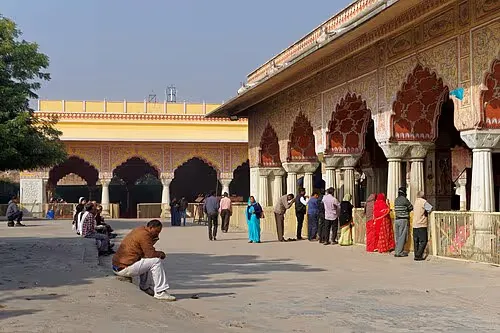
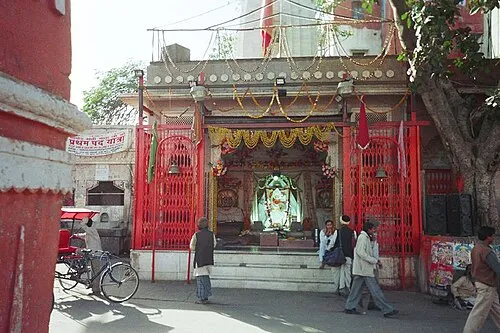
Inside, the palace moves from public to private. The Diwan-e-Aam was the Hall of Public Audience, the Diwan-e-Khas the Hall of Private Audience. Then comes the Sheesh Mahal, the mirror palace also called Jai Mandir, and the Sukh Niwas, where wind blowing over a water cascade cooled the rooms long before anyone spoke of air conditioning. Near Ganesh Gate, look for the temple of Shila Devi, a goddess given to Raja Man Singh after he defeated the Raja of Jessore in Bengal in 1604.
The palace was home to the Rajput Maharajas and their families, and its rooms tell their story. Raja Man Singh had 12 queens and built 12 rooms, one for each. Raja Jai Singh had a single queen, so he built her one room as large as three of the old ones. Higher up on the Cheel ka Teela, the Hill of Eagles, stands Jaigarh Fort; the two count as one complex, linked by a tunnel meant as an escape route for the royal family in times of war.
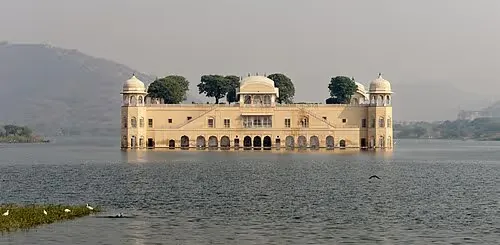
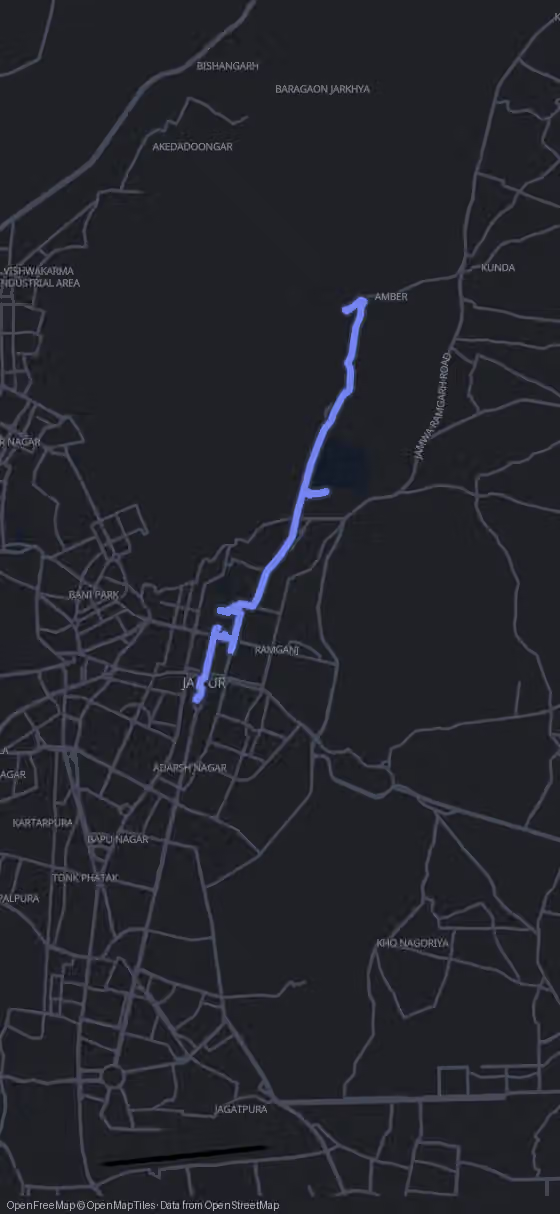
Going inside is the point of coming here, and the morning is the time for it. Entry is charged, with a higher rate for foreign visitors than for Indian adults. Give it about two hours. Then comes the longest leg of the route: 5430 m, about 75 minutes on foot, down to the lake and its water palace.