




Château des Ducs de Bretagne
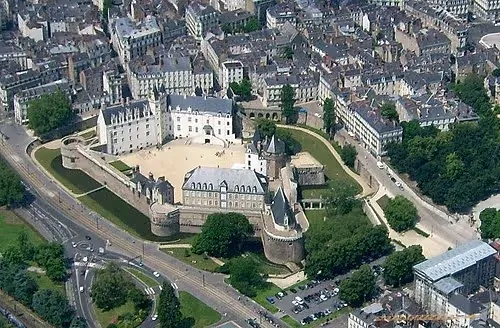
Start where Nantes shows its power most plainly. The Château des Ducs de Bretagne is mostly 15th-century work, but look closely and you will find pieces from the 14th to the 18th century. Guy de Thouars founded a defensive base here in the 13th century; under Duke Francis II it became the main residence of the Breton dukes, and its walls served him in earnest during the Mad War, when he stood against the King of France.
His daughter, Duchess Anne, was later made to marry two French kings in turn, Charles VIII and Louis XII. Those weddings bound Brittany to France, and the deal was sealed inside these walls: King Francis I signed the edict of union here in 1532. From then on the dukes' home was a royal fortress. Most French kings stayed here on visits to Brittany, and the provincial governors had their official residence here, though they rarely stayed long. The exception was the Duke of Mercœur, who kept a court here during the Wars of Religion.
Later the castle served as a state prison and above all as a barracks and arsenal. It came through the Revolution unharmed, only for its gunpowder stores to explode in 1800 and destroy a large part of it. Listed as a historic monument in 1840 and handed to the city in 1915, it was long simply called the château de Nantes; the ducal name only appeared in 1923, coined by the local writer Marc Elder.
Inside is the Nantes history museum, reopened after long works in the early 21st century. If you want the story of the city in one go, the ticket and a good hour and a half are well spent; if your time is short, the courtyard and the wall walk give you the shape of the fortress.
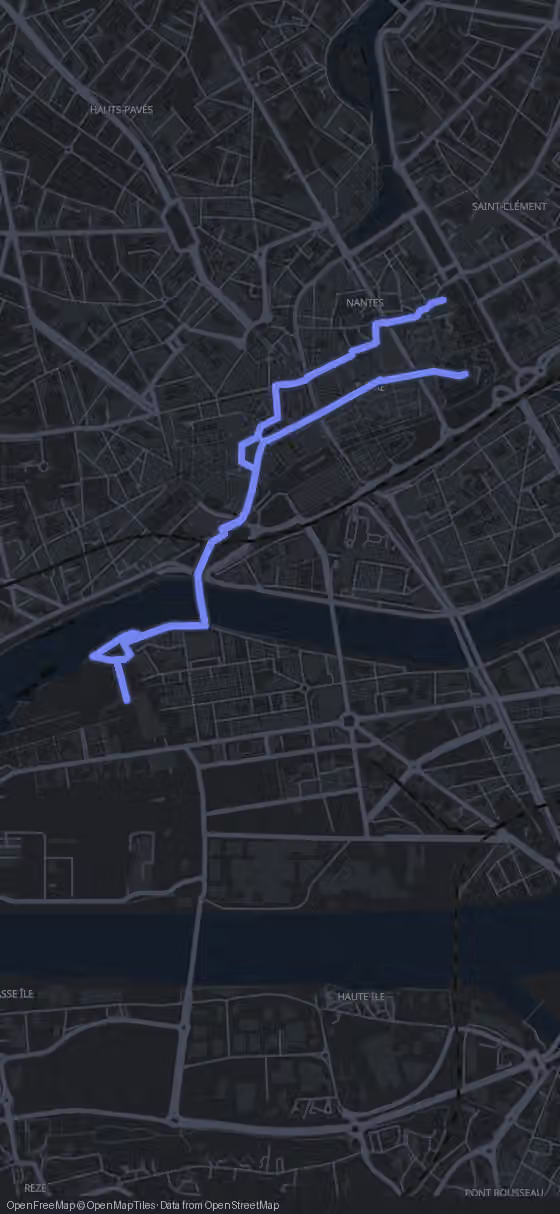
From here comes the longest leg of the walk, 2070 m and about 28 minutes, out to the Île de Nantes, where the city's harbour past has been turned into something far more playful.