

Plaza de Armas
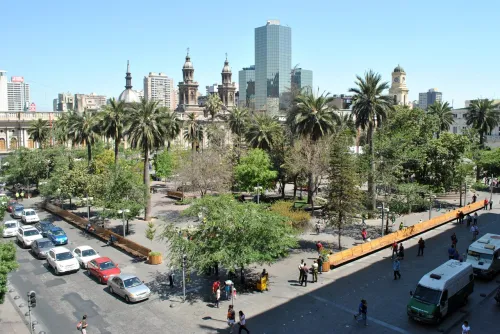
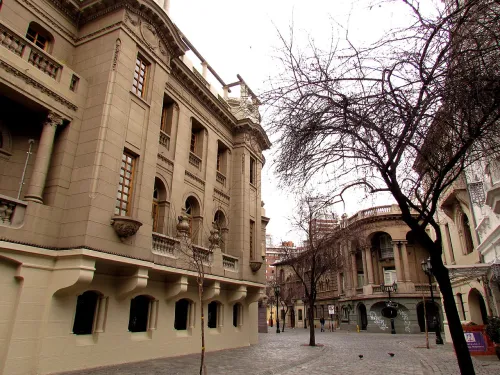
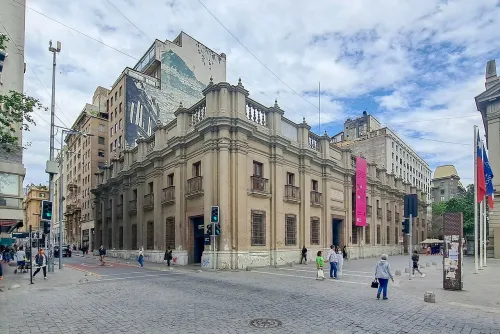
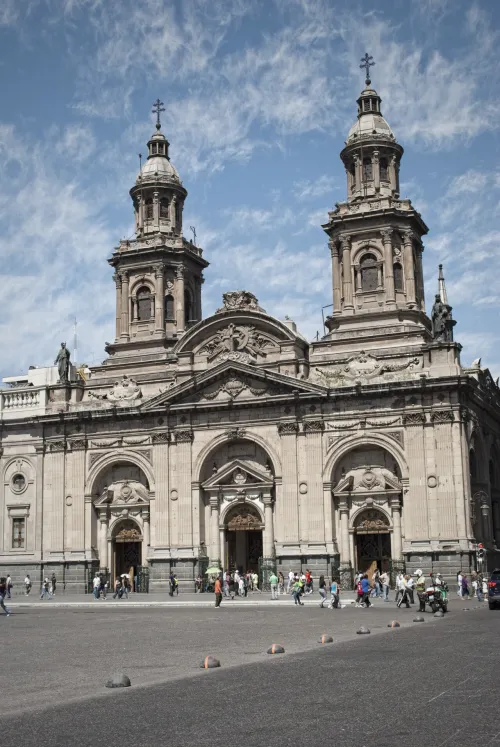
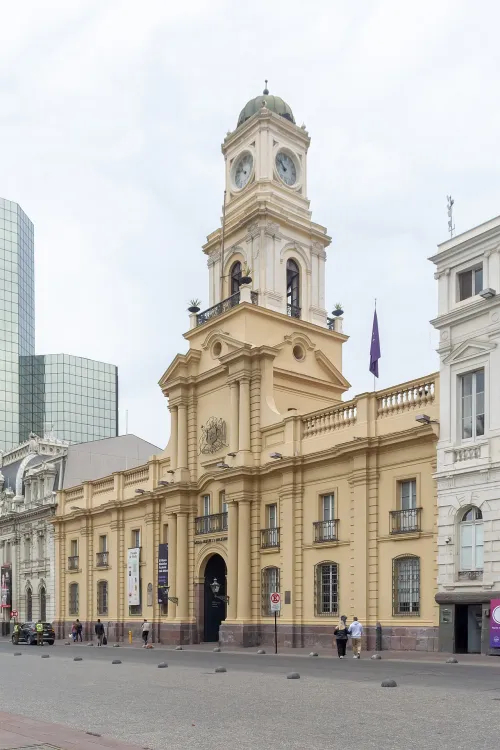
This is where Santiago begins. The Plaza de Armas is the city's main square, and the buildings around it read like a list of who has held power here: the Metropolitan Cathedral, the Central Post Office, the Palacio de la Real Audiencia and the seat of the city government, once home to the colonial Cabildo. Look also for the Capilla del Sagrario, the Archbishop's Palace, the Edificio Comercial Edwards and the Portal Fernández Concha.
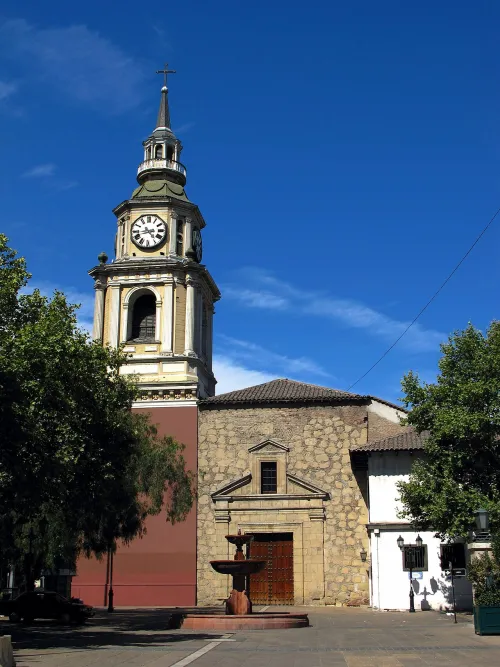
Pedro de Valdivia founded the city in 1541, and Pedro de Gamboa, whom Valdivia appointed, laid it out as a chequerboard, block after block like a chess board, with this square at the centre and the main administrative buildings around it. The church facing the plaza was the anchor of the whole grid, and you'll come back to it near the end of the walk.
What lies underneath is the more intriguing story. In 1976 the researchers Rubén Stehberg and Gonzalo Sotomayor argued that the Spanish city sits on top of an Inca settlement: an urban centre of the Tawantinsuyu, the Inca Empire, from which roads ran out in several directions and which lived from irrigated farming and gold and silver mining. If they are right, Valdivia did not found his city on empty land but used what was already there.
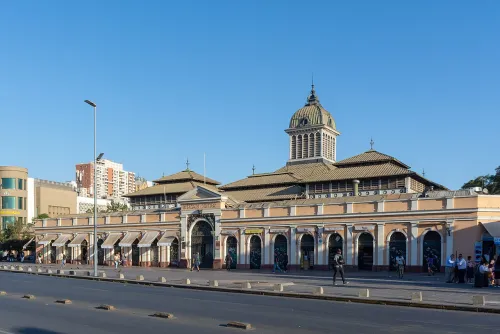
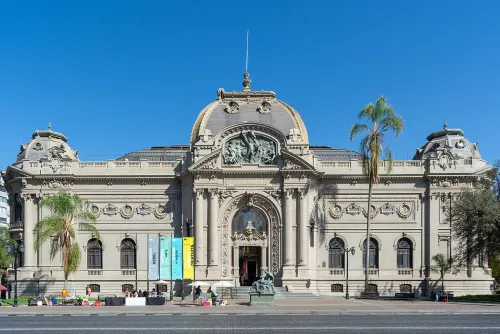
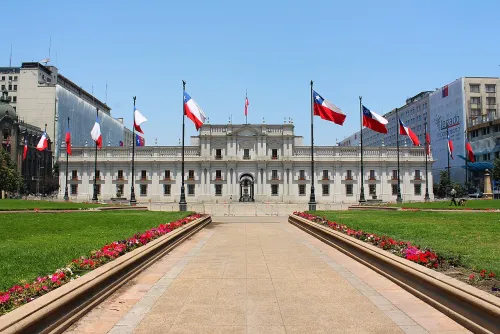
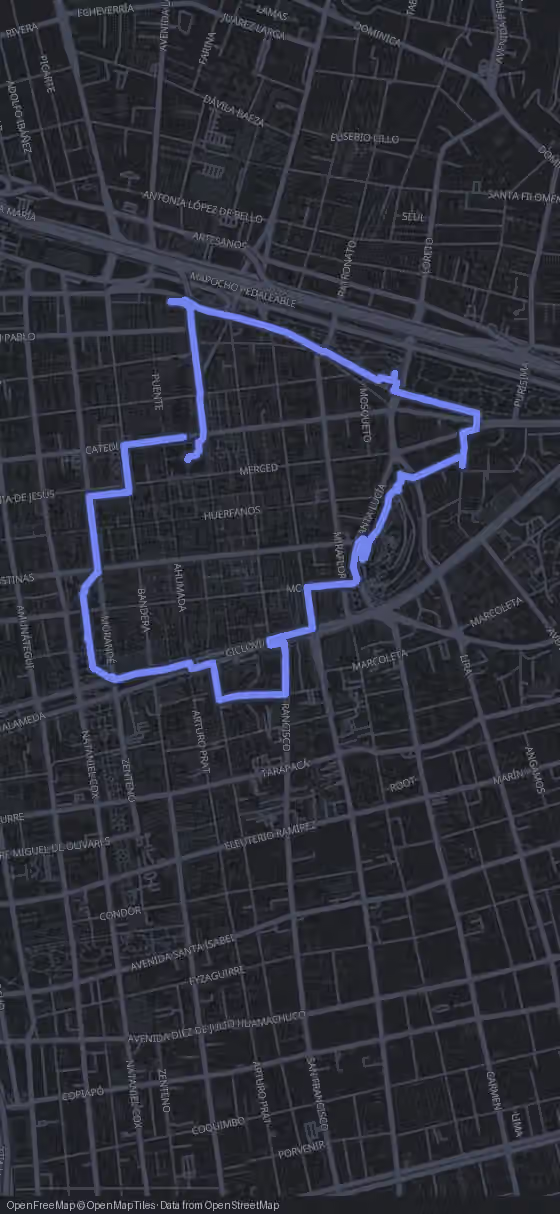
The square, the nearby former National Congress building and the surrounding buildings have been protected together as a zona típica since 1986. The Casa Colorada, the headquarters of the Santiago fire brigade and the Precolombino museum are all a short walk away. From here it is 590 m, about 8 minutes, to the Mercado Central de Santiago.