

Roman Walls of Tarragona
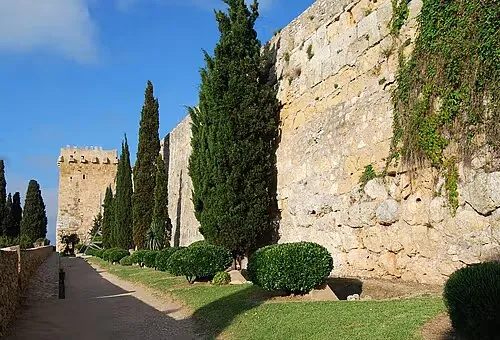
You start where Roman Tarragona itself started. In 218 BC the Scipio brothers landed at Empúries and moved on to Tarraco, which became the main Roman military base in Spain during the Second Punic War. The first defence was a simple wooden palisade; the stone walls you see came soon after and are among the earliest major works the Romans built here.
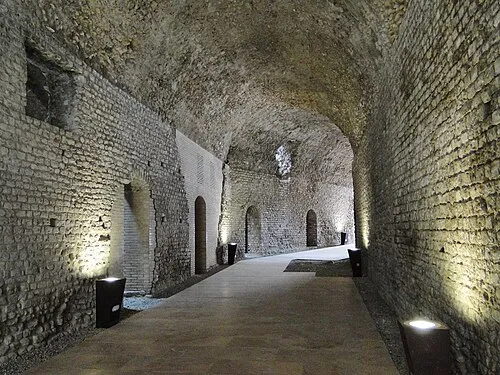
Look closely at the base. It is made of huge, roughly shaped megalithic blocks, and in them you can spot small doorways, posterns just wide enough for one soldier on foot. On top sits a double face of cut ashlar, often with a cushioned, bulging finish, and the gap between the two faces was filled with mud brick and small stones.
The walls went up in two phases. The first was 4 metres wide and 6 metres high, reinforced by square towers; three are known: the Minerva Tower (also called Sant Magí), the Cabiscol Tower (or Seminari) and the Archbishop's Tower, rebuilt in the 14th century. Only a few years later the plan changed: the walls grew to 6 metres wide and 12 metres high, probably linked to the campaigns of the consul Cato against the local tribes at the start of the 2nd century BC.
What makes the walls special is that they never stopped being used. Over about 22 centuries they were repaired, rebuilt and absorbed into medieval, early modern and modern houses, so Roman stone and later buildings now form one piece. The ticketed walk along them is worth it if you like seeing that history up close.
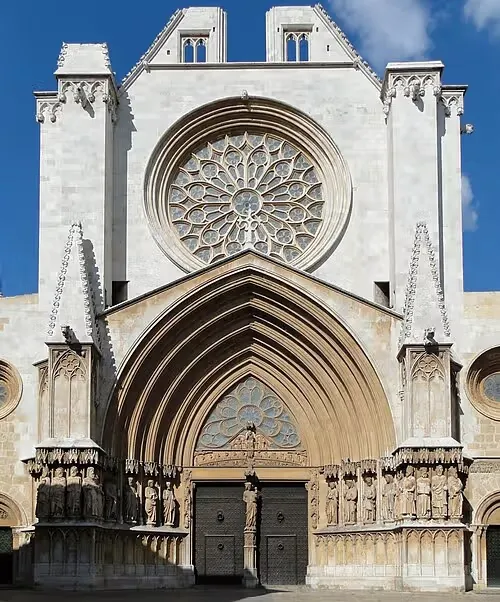
From here it is a short 470 m, about 6 min, up to the cathedral at the highest point of the old town.