

Senso-ji Temple
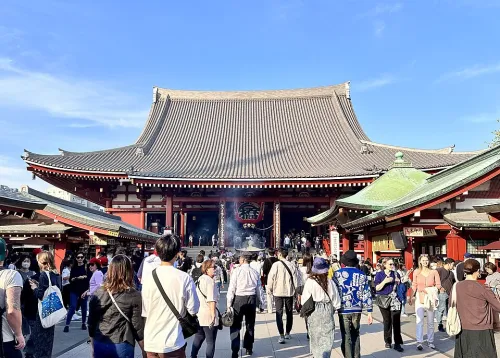
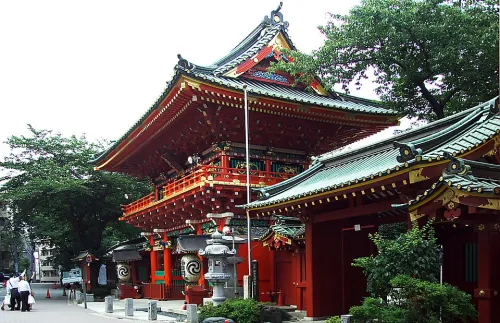
You're standing at Tokyo's oldest-established temple, dedicated to Kannon, the bodhisattva of compassion; locals also call it Asakusa Kannon. Around you are the main hall, a five-story pagoda and the great gates, and with over 30 million visitors a year it counts as the most widely visited religious site in the world. Entry is free, so take your time in the main hall and around the pagoda.
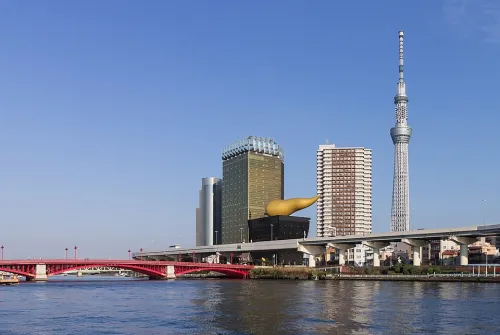
The founding story starts on the water. In 628, the legend goes, two fishermen, the brothers Hinokuma Hamanari and Takenari, pulled a statue of Kannon out of the Sumida River in their net. Their village headman, Haji no Nakatomo, was so moved that he became a monk and turned his own home into a temple.
Here's the twist: no visitor has seen that statue. In 645 a monk named Katsumi, following a revelation in a dream, declared it a hibutsu, a secret image. It is said to be golden and only about 5.5 centimetres tall, but because it is never shown, nobody outside knows for sure. In the early Heian period the monk Ennin carved a stand-in Kannon so that people had something to pray before. In 942 Taira no Kinmasa rebuilt the temple complex, and the Kaminarimon and Niōmon gates date back to his time.
Much of what you see is younger than it looks. The firebombing of 10 March 1945 destroyed the temple, and the main hall was rebuilt in the 1950s. Once linked to the Tendai sect, Senso-ji became independent in 1950. It is also the 13th stop on the Bandō pilgrimage route, and right next door to the east stands Asakusa Shrine, a Shinto shrine.
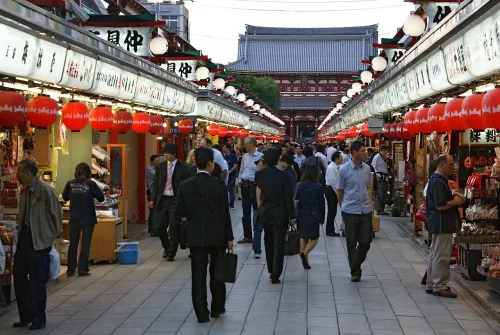
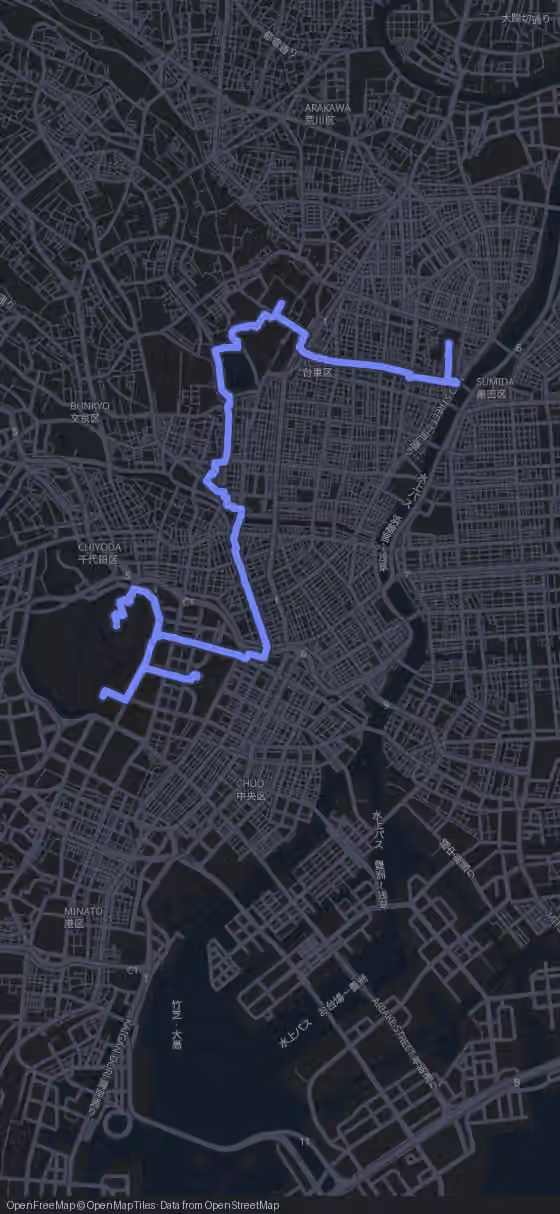
From the main hall, walk back out through the Hōzō-mon gate, where Nakamise Shopping Street begins. It's 150 m, about two minutes.