



Braga Cathedral
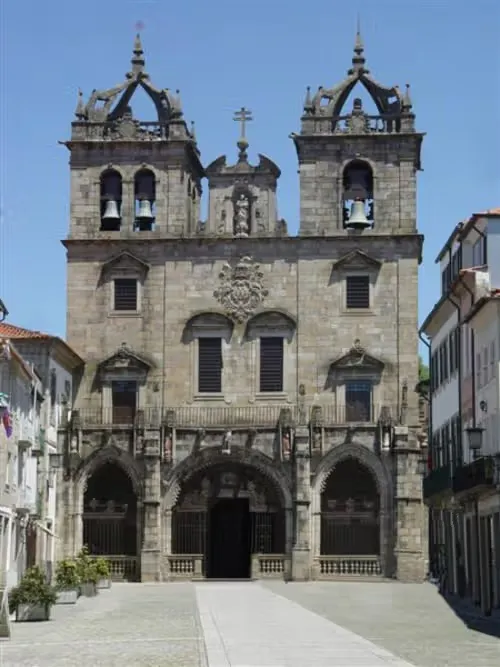
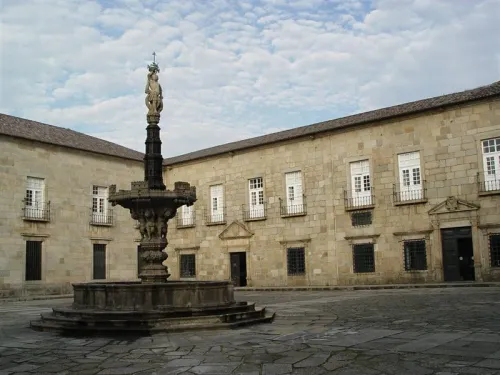
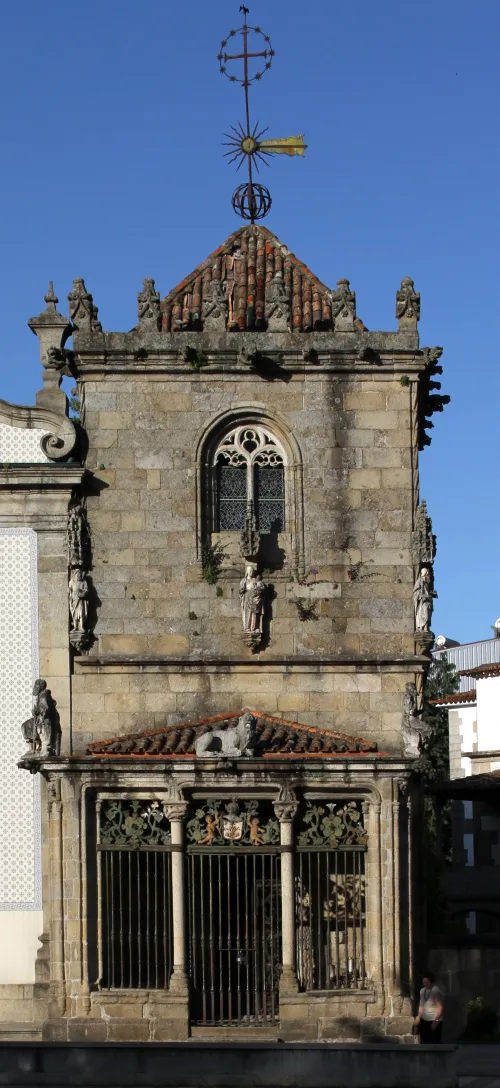
Begin where Christian Braga began. The Braga Cathedral, the Sé de Braga, is the seat of the Archdiocese of Braga and of the archbishop who carries the old title of Primate, and it has been a National Monument since 1910. It was the first Portuguese cathedral, raised decades before Portugal existed as a country, when this land still belonged to the Kingdom of León. Look at it as a building that grew over centuries: Bishop Pedro started it after the bishopric was restored around 1071, and when it was consecrated in 1089 only the eastern chapels were finished.
The diocese itself reaches back to the 3rd century, one of the oldest on the peninsula and the base from which northwestern Iberia was Christianised. Tradition names Saint Peter of Rates as the first bishop: a Jew who had just died when Saint James passed through, raised from the grave by the Apostle, ordained to preach, and later martyred while trying to win converts in northern Portugal.
When Roman Bracara Augusta fell to Germanic tribes, the city became capital of the Suebi Kingdom, and Bishop Martin of Dumio converted the Suebi to Catholicism around 550. After the Moors arrived in 716, Braga lost its bishop altogether. The comeback was spectacular: Count Henry of Burgundy and Bishop Geraldo de Moissac persuaded the Pope to make Braga an archbishopric in 1107, with power over most of Portugal and part of Galicia.
Going in is sold as three routes: the Treasury Museum, the Chapels and High Choir, and the Cathedral itself. Combining routes works out cheaper, so if this history pulls you in, take the full set. With little time, the Cathedral route alone is enough.
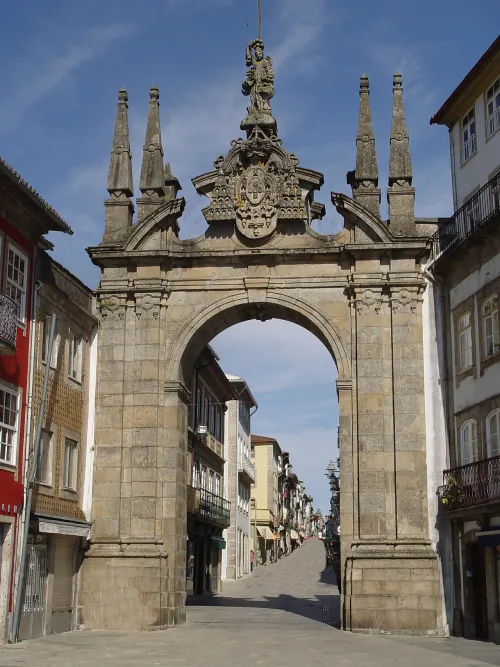
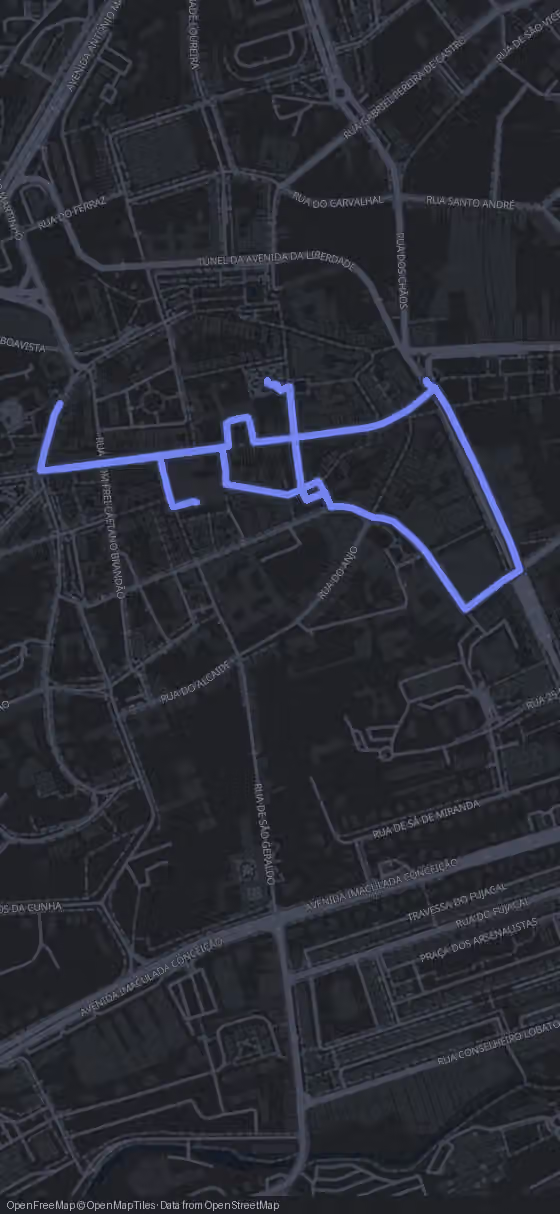
From here it's 240 m, about 3 minutes, to the Arco da Porta Nova, past Rua do Souto and the small Fonte dos Granginhos.