

Kuressaare Episcopal Castle
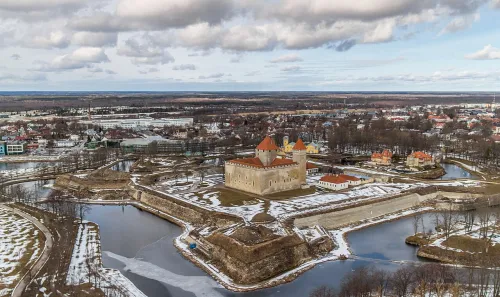
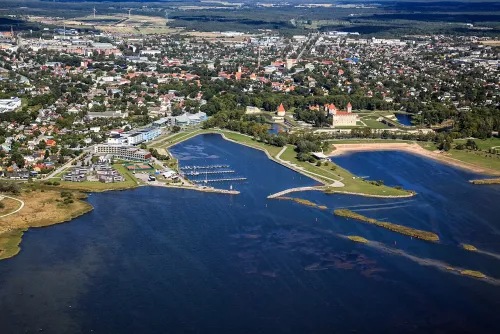
Kuressaare Episcopal Castle is where the town begins, and its story explains much of what you will pass later. The earliest written mention dates from the 1380s, when the Teutonic Order began building it for the bishops of Ösel-Wiek, the bishopric Estonians call Saare-Lääne. Some accounts say a wooden castle stood here first.
The reason for the fortress was the island itself. The people of Saaremaa fought hard against being Christianised by outsiders, and the castle was part of the crusaders' wider effort to bring the island under control. It stayed one of the bishopric's key strongholds until the Livonian War swept the bishopric away. In 1559 Denmark-Norway took over Saaremaa and modernised the defences; the Peace of Brömsebro in 1645 handed the island to Sweden, and the Swedes kept upgrading the fortress until 1706. After the Great Northern War, castle and island became part of the Russian Empire.
Then the frontier moved west and Kuressaare lost its purpose. When Russia built the fortress of Bomarsund on Åland, the garrison here withdrew, in 1836, and the castle played no part in the Crimean War. In the 19th century it served as a poorhouse, and between 1904 and 1912 the architects Karl Rudolf Hermann Seuberlich and Wilhelm Neumann restored it.
The courtyard also carries a darker memory. In 1941 Soviet occupying forces used the castle as a stronghold and executed 90 civilians in its yard; under the Nazi occupation that followed, more than 300 people were killed on the castle grounds.
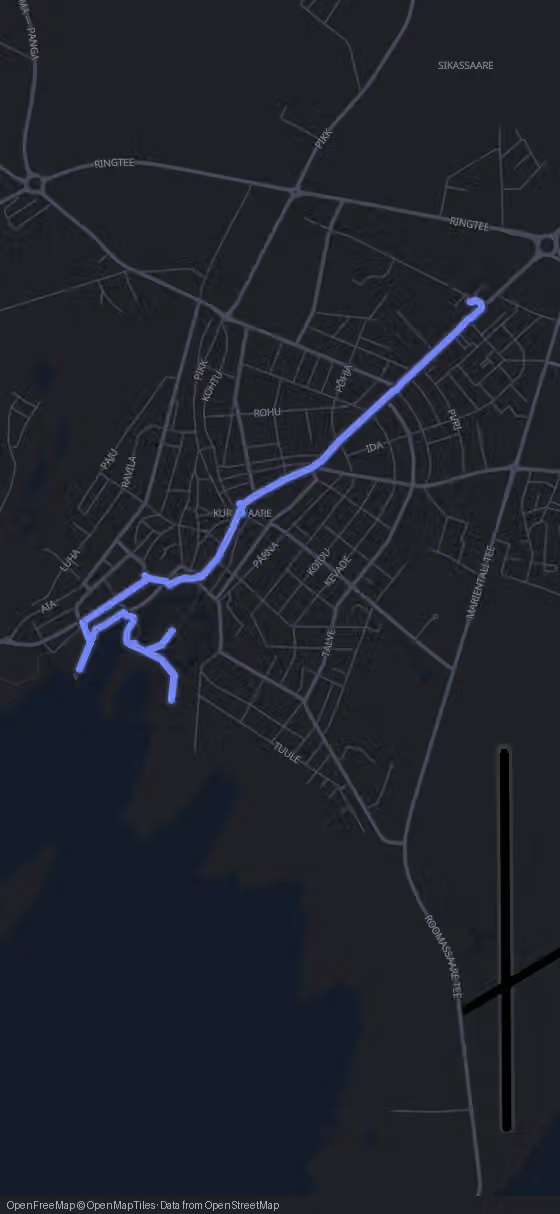
If you go inside one building on this walk, make it this one: it is the only paid interior on the route, and every later stop, from the Swedish town hall to the yacht harbour, connects back to the powers that held this fortress. Saaremaa Museum is also here at the start. From the gate it is 510 m, about 7 minutes, into the park that surrounds the castle.