



Tower of London
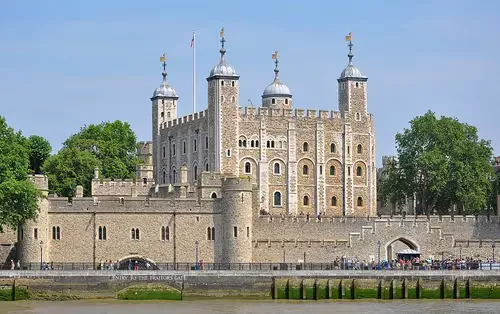
You start at a fortress founded at the end of 1066, in the first months of the Norman Conquest. Look for the keep at its heart: the White Tower, built by William the Conqueror in 1078, gave the whole castle its name. Londoners of the time did not admire it; to them it was a resented sign of who now ruled. Around it run two rings of defensive walls and a moat, added in phases mostly under Richard I, Henry III and Edward I.
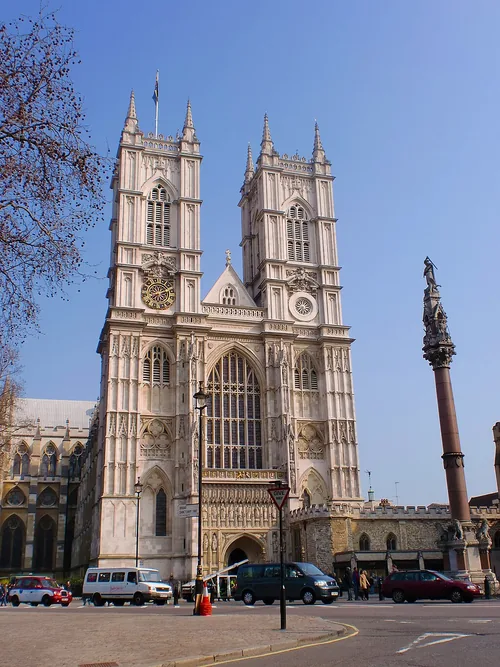
Over the centuries the Tower was nearly everything a state needs: royal palace, armoury, treasury, menagerie, home of the Royal Mint, public record office and, to this day, home of the Crown Jewels. Whoever held it had a firm grip on the country, which is why it was besieged several times. From the early 14th century until Charles II, monarchs spent several nights here before leading a procession to Westminster Abbey for their coronation, so in a way your walk follows their road.
Its darker fame comes from its use as a prison, from 1100 until 1952, at its height in the 16th and 17th centuries. The Princes in the Tower disappeared here in the late 15th century, presumed murdered. Elizabeth I was held here before she became queen, and so were Sir Walter Raleigh and Elizabeth Throckmorton. That is where the phrase "sent to the Tower" comes from.
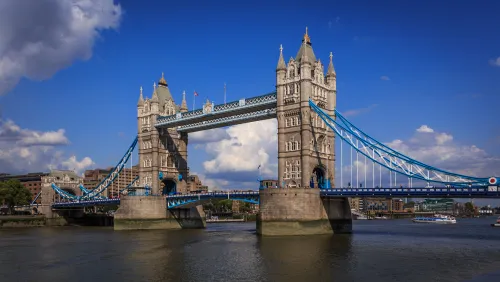
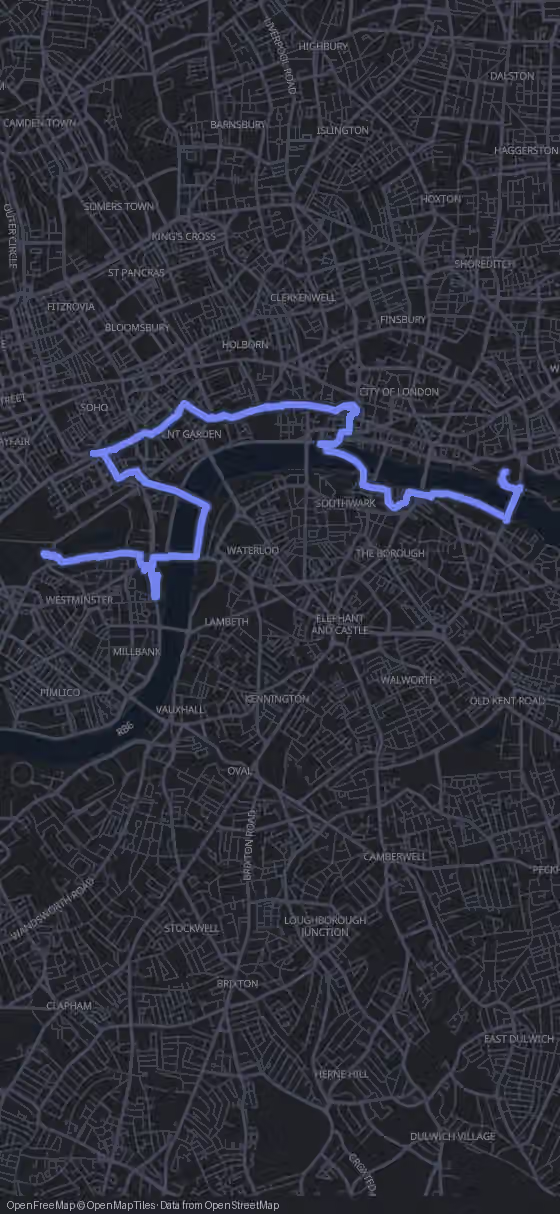
Going inside is worth it if English history draws you or you want to see the Crown Jewels, though tickets are not cheap. It is the longest visit on the route, so if you plan it, be at the gate when it opens. From here it is 580 m, about 8 minutes, to the bridge that crosses the Thames right beside the castle.