

Schloss Wolfenbüttel
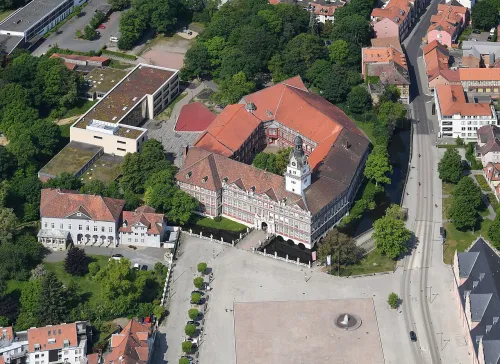
Start in front of the palace and take in its size first. This is a broad four-wing complex that began life as a moated castle, and the moat still tells you so. It is the second-largest surviving palace in Lower Saxony, and between 1432 and 1753 it was the main residence of the rulers of the Principality of Brunswick-Wolfenbüttel. Today it is surprisingly busy for a palace: a secondary school, the Federal Academy of Arts Education and a museum with the historic rooms all share these wings.
The story starts long before the dukes. A fort on the river Oker is first recorded in 1074, built by Widekind of Wolfenbüttel. In the marshes there was already a small settlement called Wulferisbuttle, sitting on a trade route between the Rhine and the Elbe and between the bishoprics of Halberstadt and Hildesheim, used by merchants and pilgrim monks alike.
Then comes a run of destructions. In 1191 Henry the Lion, head of the House of Welf and brother-in-law of Richard Lionheart, tore the castle down. Rebuilt, it fell again in 1255, when Gunzelin of Wolfenbüttel refused to swear allegiance to Albert I of Brunswick; Albert also besieged Gunzelin's son Burchard at nearby Asseburg Castle for three years. In 1283 Henry I of Brunswick-Grubenhagen rebuilt it, and the layout, the moat and the lower levels and dungeon of the keep still date from his time. In 1542 the Schmalkaldic League captured and destroyed it once more, and only from 1553 did Duke Henry the Younger build the new residence, turning the old tower into a castle chapel. The Italianate arcades in the courtyards followed in 1575.
Listen for one more name. In 1595 the Protestant composer Michael Praetorius became private secretary to Duke Henry Julius and lived here in the palace; as court organist he played the castle organ completed in 1596. If you like interiors and court life, the museum with its historic rooms is worth the ticket. If you are short on time, the courtyard and the moat give you the outline of the story for free.
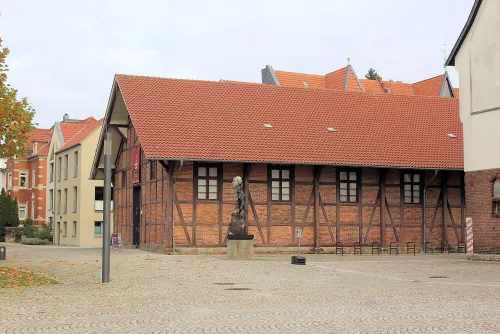
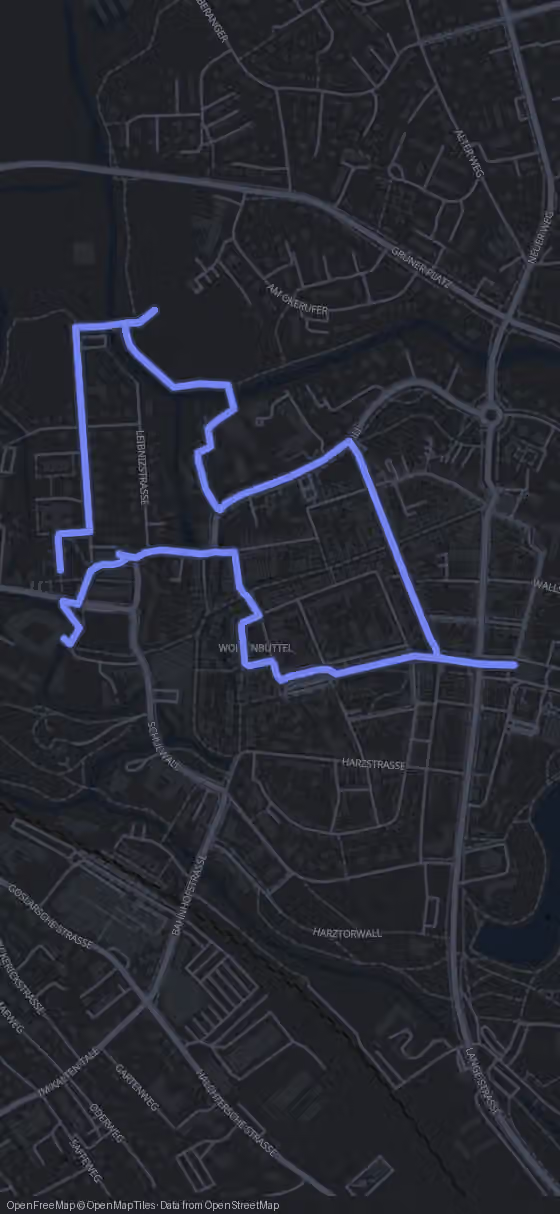
From the palace the route leaves the Schlossmuseum behind and turns 260 m, about 4 minutes, towards the town's own museum.