

Vatican Museums
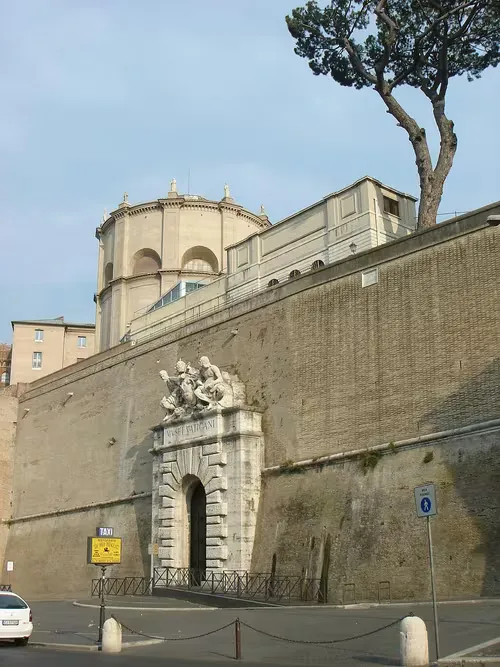
You start at the public museums of the Vatican City, the collection the popes have gathered over five centuries. Around 70,000 works belong to it, about 20,000 of them on display across 24 galleries, and 640 people work here in restoration, research and administration. The visit follows a set path, and that path ends in the Sistine Chapel, so Michelangelo's ceiling and altar wall come last, after the Stanze di Raffaello, the rooms painted by Raphael.
The whole institution began with a single marble sculpture. On 14 January 1506, Laocoön and His Sons turned up in a vineyard near the basilica of Santa Maria Maggiore. Pope Julius II sent two men who happened to be working at the Vatican to take a look: the architect Giuliano da Sangallo and Michelangelo. On their advice he bought the piece from the vineyard owner on the spot and put it on public display exactly one month after its discovery. Look for the Trojan priest and his two sons, Antiphantes and Thymbraeus, locked in a fight with giant serpents.
Is it worth going in? If Renaissance art or Roman sculpture means anything to you, this is one of the reasons to come to Rome at all: in 2024 the museums drew 6.8 million visitors, second only to the Louvre among the world's art museums. Entry is charged, and you should plan at least three hours. If galleries and crowds are not your thing, skip the interior and begin at St. Peter's instead. Since the 500th anniversary in 2006, excavations of a necropolis on the Vatican Hill are permanently open as well.
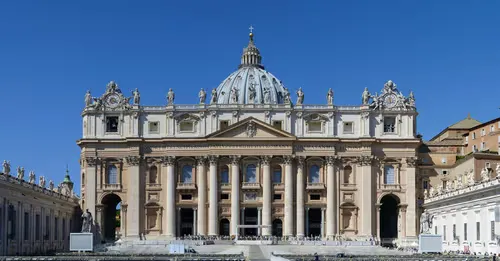
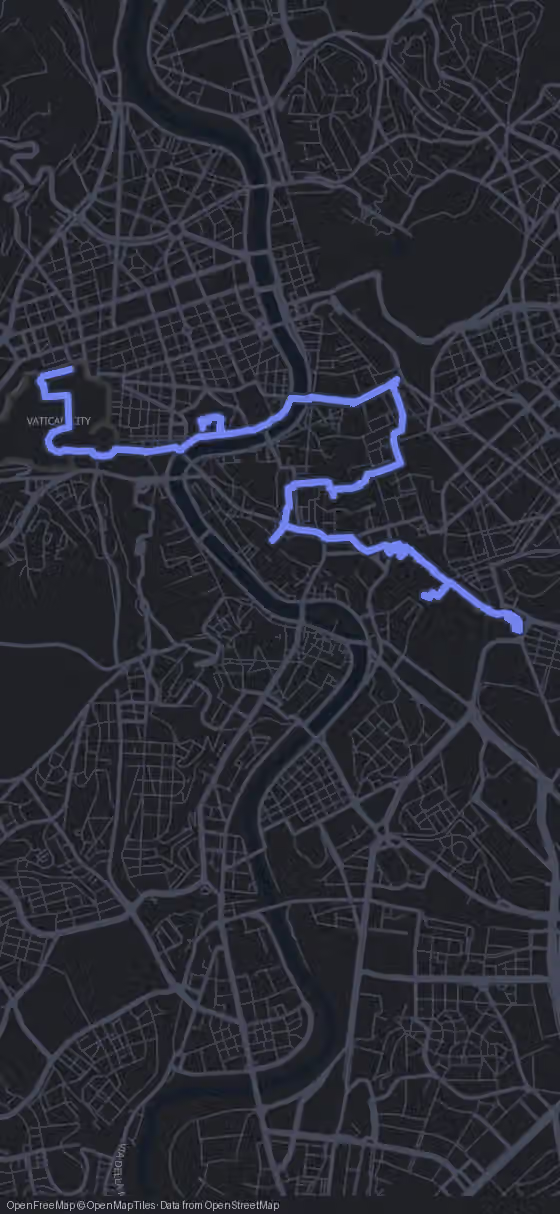
From here it is 880 m, about 12 minutes, to St. Peter's Basilica.